Cebu Earthquake Recovery Stalled by Broken Equipment, Thousands Await Safety Clearances
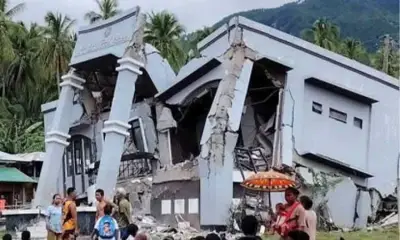
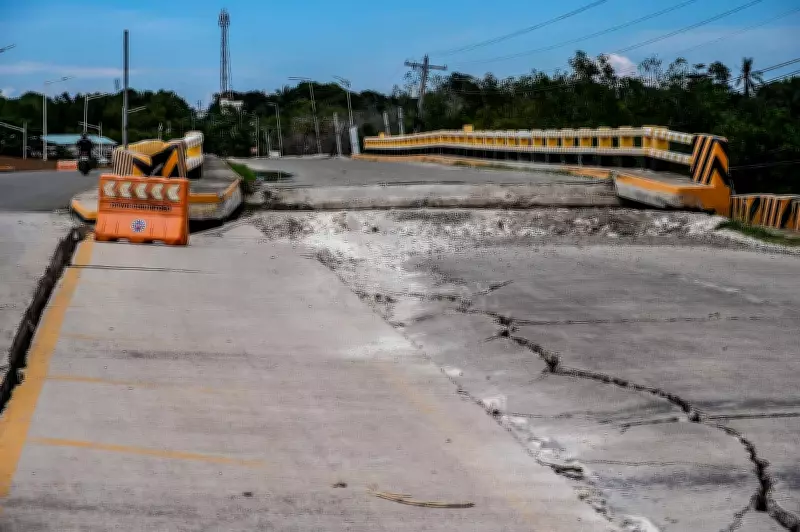
Four months after a powerful 6.9-magnitude earthquake struck northern Cebu, thousands of residents remain in a state of uncertainty and displacement. Critical rebuilding projects and relocation efforts are currently at a standstill because the government cannot yet determine which areas are safe for constructing new homes and schools.
A Bottleneck in Recovery Efforts
The delay stems from a significant backlog in geohazard assessments conducted by the Mines and Geosciences Bureau (MGB-7). Without these official safety clearances, local leaders are legally prohibited from breaking ground on new construction or moving families to permanent relocation sites.
During a meeting held on Friday, January 30, 2026, mayors from the affected towns revealed a frustrating reason for the prolonged wait: the MGB’s specialized testing equipment is broken and non-functional.

Surface-Level Solutions and Safety Concerns
Daanbantayan Mayor Gilbert Arrabis shared that when he visited the MGB office to check on his town's assessment requests, he was informed that the agency’s crucial equipment was damaged. San Remigio Mayor Mariano Martinez added that without working tools, experts have been limited to conducting only "surface-level" inspections, which are insufficient to guarantee long-term safety for residents.
“The clearance has not yet been completed, so it is still not possible to determine where relocation should take place or whether the schools can be rebuilt,” emphasized Cebu Province Assistant Administrator Aldwin Empaces, highlighting the ongoing challenges faced by local communities.
The Province Steps In to Address the Gridlock
To resolve this critical impasse, Governor Pamela Baricuatro has ordered the creation of a Technical Working Group (TWG). This dedicated team will coordinate directly with each affected town to establish a clear and actionable timetable for conducting the necessary geohazard inspections.
The TWG will focus on several key objectives to streamline the recovery process:
- Assigning specific contact persons for each local government unit to ensure efficient communication and coordination.
- Assisting towns in updating their comprehensive land use plans to reflect new geological realities.
- Identifying and demarcating new "no-build zones" where the earth is too unstable for safe construction of structures.
Planning for a Safer and More Resilient Future
The devastating earthquake, which struck on September 30, 2025, fundamentally altered the local landscape of northern Cebu. Many towns now need to redraw their maps and revise development plans to ensure that future investments and public buildings are not placed in harm's way.
While the provincial government works diligently to expedite the MGB safety clearances, the primary goal remains ensuring the long-term safety and well-being of all residents. By creating a detailed, town-by-town timeline for assessments and actions, officials hope to finally provide displaced families with the answers and assurances they need to begin rebuilding their lives on solid and secure ground.