Flood Wall Failure in Dumanjug Sparks Infrastructure Concerns
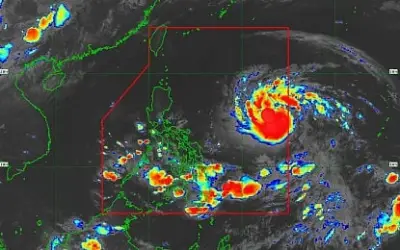
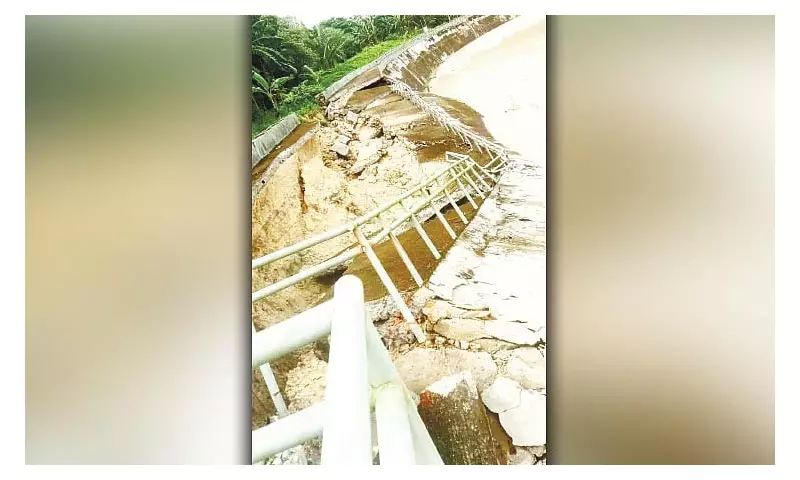
A critical flood control structure in Barangay Kang-actol, Dumanjug, southwestern Cebu collapsed on Tuesday, November 25, 2025, following the onslaught of tropical depression Verbena. Mayor Efren Guntrano "Gungun" Gica confirmed the damage through social media, posting photographs of the compromised flood wall that was designed to protect the community from rising waters.
While Mayor Gica immediately assured residents that the structure was built according to specifications and met quality standards, the incident has raised serious questions about Cebu's preparedness for increasingly severe weather events. The timing of this infrastructure failure coincides with the Water Secure PH Forum, which begins on Thursday, November 27, in Cebu City, where experts are gathering to address the province's complex water management challenges.
Engineering Analysis Reveals Cause of Collapse
According to the Dumanjug Municipal Engineering Office's initial investigation, the flood wall was constructed strictly following approved designs but could not withstand what officials described as an "extraordinary volume of rainwater runoff" from tropical depression Verbena.

The failure occurred due to extreme hydrostatic pressure, a phenomenon where massive amounts of trapped water softened the soil behind the structure and severely weakened its foundation. The wall's design incorporated "weep holes" intended to release water pressure, but these proved completely inadequate against the storm's intensity, leading to the structure's eventual collapse.
Unexpected Responsibility: Contractor Steps Up Despite Lapsed Warranty
In a surprising development, Mayor Gica clarified that the contractor responsible for the original construction—not QM Builders as initially speculated—has voluntarily accepted responsibility for repairs despite the project warranty having already expired.
This commitment means the unnamed contractor will reconstruct the damaged flood control facility at no cost to the local government of Dumanjug. The contractor has pledged to complete all necessary repairs within one week, demonstrating what Mayor Gica characterized as exceptional accountability and dedication to public safety.
Cebu's Water Paradox: Floods and Shortages Simultaneously
The flood wall collapse provides a tangible example of the broader water management crisis that the Water Secure PH Forum aims to address. Department of Science and Technology (DOST) Cebu Director Bryan Ybañez describes this as the "paradox of water"—where communities like those in Cebu experience devastating floods and critical water shortages at the same time.
This paradox was starkly illustrated earlier in November when typhoon Tino caused both flash floods from intense rainfall and water shortages due to damaged pipes and power outages that disrupted groundwater supply. The forum, organized by DOST with international partners, will train local leaders on using new assessment tools, including the Water Security Index (WaSeC), to break this destructive cycle.
Competing Solutions: Engineering vs Nature-Based Approaches
The response to the Dumanjug collapse highlights a fundamental debate in water management strategies. The Municipal Engineering Office has recommended a "hard" engineering solution: installing a reinforced concrete pipe culvert to drain water more efficiently toward the river, along with foundation strengthening based on updated soil condition assessments.
Meanwhile, experts at the Water Secure PH Forum are advocating for nature-based solutions that complement traditional infrastructure. Dr. Danilo Jaque of Hydronet Consultants Inc. emphasizes that wetland preservation, sustainable watershed management, and ecological features like swales and lagoons can reduce flooding while improving water quality and supporting sustainable urban development.

As Cebu communities including Ronda, Dumanjug, Barili, and Carcar City deal with Verbena's aftermath—which included forced spillway overflows—the urgency for effective water management solutions becomes increasingly clear. The province faces the dual challenge of protecting residents from destructive floods while ensuring reliable water supply, a balancing act that requires immediate action and long-term planning as climate change intensifies weather patterns.