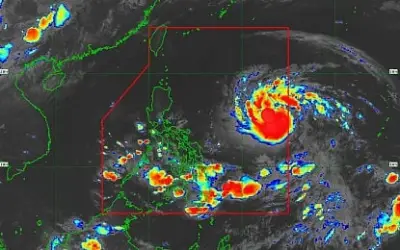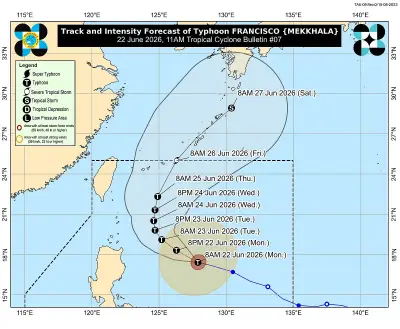
The picturesque view of a river or creek might seem like a dream feature for your new home, but recent tragic events in Cebu demonstrate how quickly that dream can turn into a nightmare. When Typhoon Tino struck the Philippines in early November 2025, it unleashed the worst flooding Cebu province had seen in decades, with devastating consequences for communities built near waterways.
The Cebu Catastrophe: A Warning Ignored
Whole communities found themselves submerged under raging floodwaters, with many of the hardest-hit areas being subdivisions constructed near rivers and creeks despite previous warnings. The case of Villa del Rio Subdivision in Barangay Bacayan serves as a chilling example of what can go wrong when flood risks are underestimated.
In this residential community, floodwaters climbed all the way to the second floor of homes, sweeping cars away like toys and trapping families inside their own houses. Disturbing videos captured the emergency, showing vehicles floating helplessly while desperate residents scrambled to their rooftops seeking safety from the rising waters.

The nearby creek, which likely appeared calm and harmless during dry season, overflowed after hours of relentless rain, effectively transforming the entire subdivision into a dangerous river.
Widespread Destruction Across Cebu
The devastation extended to Talisay City, where communities situated along the Mananga River faced complete destruction when the riverbanks collapsed. Residents had less than a few minutes to escape the rapidly rising water levels that washed away homes and livelihoods.
The human cost of this disaster was staggering. Across Cebu province, at least 48 people lost their lives, with dozens more reported missing and thousands displaced from their homes. Tragically, many victims lived in areas officially designated as "no-build zones" or in flood-prone subdivisions that had been developed despite clear warnings about the risks.
Urban Planning Failures and Climate Reality
Experts point to rapid urbanization and poor planning as key factors exacerbating the disaster. Natural drainage systems have been systematically replaced by concrete roads and housing developments, significantly reducing the land's ability to absorb rainwater.
Subdivisions constructed on mountain slopes or too close to waterways accelerate water runoff, sending torrents directly into low-lying communities during heavy rainfall. This dangerous combination of development choices and changing climate patterns creates a perfect storm for flooding disasters.
Essential Safety Checks Before You Buy
Before signing any property contract, take these critical steps to protect your investment and your family:
First, check the flood hazard map provided by the DENR and local government units. These maps clearly identify flood-prone zones, so if your dream home sits near a river or creek, think twice about proceeding.
Second, investigate past flooding incidents by talking to long-term residents. Don't rely on developer statements like "never flooded before," because climate patterns are changing rapidly. What was considered safe five years ago may not be safe today.
Third, personally inspect the drainage systems and elevation of the area. Higher ground always offers better protection, and subdivisions with proper drainage systems and retention ponds provide more security - provided these systems are properly maintained and functional.
Finally, review local ordinances carefully. Some areas are legally designated as "no-build zones," and if a developer is selling property in these restricted areas, consider that a major red flag.
The tragedy in Cebu provides a sobering lesson that discounting flood risk leads to the loss of precious lives, not just property damage. When choosing a home, prioritize resilience over aesthetics. After all, the peace of mind you'll have during typhoon season is truly priceless.