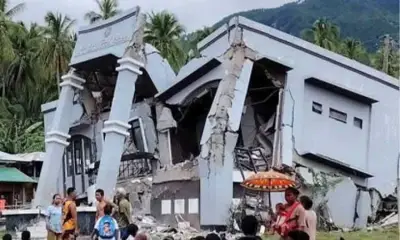
The tragic loss of more than 150 lives in Cebu has forced a painful but necessary public conversation. The catalyst was a devastating flash flood on November 4, 2025, a disaster that experts argue was a preventable consequence of ignored warnings and inadequate infrastructure. For decades, the dangers of living along riverbanks were an open secret, but it took a catastrophe of this magnitude for the grim reality to be fully acknowledged.
A Community Submerged and a Warning Ignored
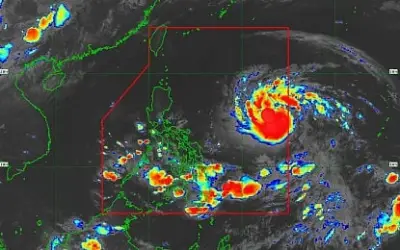
Residents of Villa del Rio in Barangay Bacayan experienced the unthinkable. Many had lived in the subdivision for over twenty years without incident, but on that fateful day in November, river water inundated and completely submerged their homes. The typhoon, named Tino, dumped a month and a half's worth of rain on Metro Cebu in a single day. While some lost all their worldly possessions, others suffered the ultimate loss: family members.
The devastation has pushed countless residents back to square one, raising the critical question of their future. For those living on a fixed income, the option to simply pick up and move is not financially feasible. This crisis has exposed the utter failure of past stop-gap solutions and underscores the urgent need for local governments to think outside the box.

The Expert Blueprint for a Water-Secure Cebu
The scientific community had foreseen such a tragedy. A 2023 study from the University of the Philippines – Diliman College of Science’s Institute of Environmental Science and Meteorology warned the Philippines to brace for stronger and more destructive typhoons due to climate change.
This warning was echoed during the Water Secure PH Forum on November 27, 2025. Danilo Jaque, a hydrologist with Hydronet Consultants Inc., presented a clear blueprint for action. He urged a combined approach of structural engineering works and nature-based interventions. "Structural fixes will keep falling short unless matched with upstream ecological restoration and interventions," Jaque stated, advocating for reforestation, buffer zones, and retention basins.
Department of Science and Technology 7 Director Tristan Abando highlighted a critical flaw in the current strategy, noting it "focuses heavily on downstream drainage upgrades without correcting upstream issues like the absence of catchment basins and poor river management." He pointed out a fundamental problem: water systems do not follow political boundaries. An upgrade in one city might simply divert the flood problem to its neighbor.
The Path Forward: Collaboration or Catastrophe
The message to Cebu's local governments is clear and comes straight from the experts. They have been given the necessary plan; expensive new feasibility studies are not required. The public is now aware that solutions exist and can hold officials accountable in the next elections for any inaction.
However, the public also has a role to play. Residents must be prepared to cooperate with authorities if these vital projects, which may affect some communities, are implemented. The time for finger-pointing is over. Metro Cebu's local governments must collaborate across jurisdictions to implement the integrated, upstream solutions that have been presented. The alternative is a repeat of the November 4 tragedy, a outcome the Cebuano public will not accept.