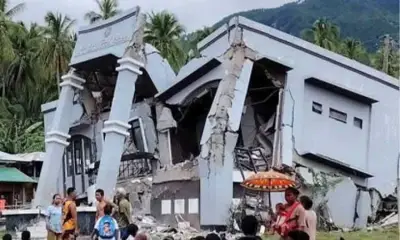
The Cebu Provincial Government has officially allocated P708.1 million as its initial financial contribution toward a comprehensive three-year rehabilitation and recovery plan for northern Cebu. This strategic move comes in response to the extensive devastation caused by the powerful magnitude 6.9 earthquake that struck the region on September 30, 2025.
Provincial Commitment to Recovery
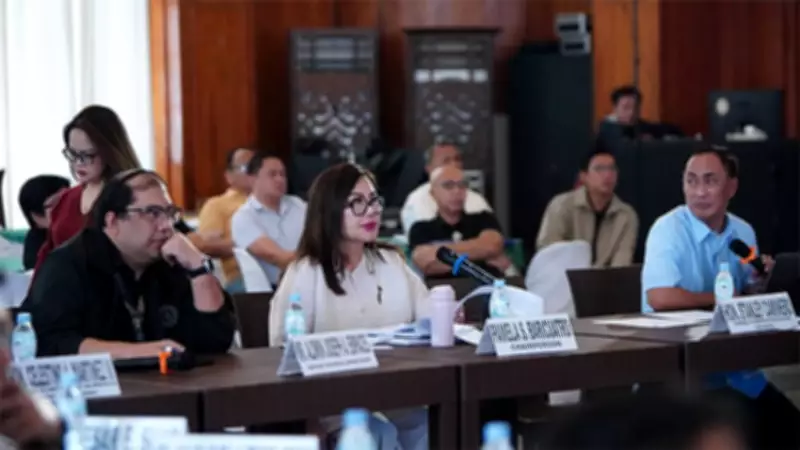
During the Provincial Disaster Risk Reduction and Management Council (PDRRMC) meeting held at the Capitol on Friday, January 30, 2026, Governor Pamela Baricuatro presented this substantial funding commitment. The meeting gathered Capitol department heads, regional agency representatives, and mayors from northern Cebu municipalities, including Bogo City Mayor Maria Cielo "Mayel" Martinez, Borbon Mayor Nico Dotillos, Daanbantayan Mayor Gilbert Arrabis Jr., and San Remigio Mayor Mariano Martinez.
The provincial allocation represents Cebu's proactive approach to addressing the massive recovery needs estimated at P19.28 billion. This broader rebuilding effort will require coordinated funding from both provincial and national sources to effectively restore northern Cebu's communities and economy.

Strategic Allocation Breakdown
The P708.1 million provincial contribution has been strategically divided to address critical recovery areas:
- Agriculture and Fisheries: P311 million to support farmers and fisherfolk whose livelihoods were severely impacted
- Bridge Rehabilitation: P254.1 million for the repair of 13 damaged bridges crucial to transportation networks
- Tourism Revival: P143 million to help resuscitate one of northern Cebu's most important economic drivers
Post-Disaster Needs Assessment Findings
Central to the recovery planning was the comprehensive Post-Disaster Needs Assessment (PDNA) conducted from November 21 to December 15. According to Dennis Francis Pastor, head of the Provincial Disaster Risk Reduction and Management Office (PDRRMO), this assessment provides the essential data foundation for the province's recovery roadmap.
The PDNA revealed staggering figures that underscore the earthquake's profound impact:
- Physical Damage: P9.24 billion across infrastructure, housing, education, health services, agriculture, fisheries, tourism, and cross-cutting sectors
- Economic Losses: P47.74 billion resulting from prolonged disruptions in production and services
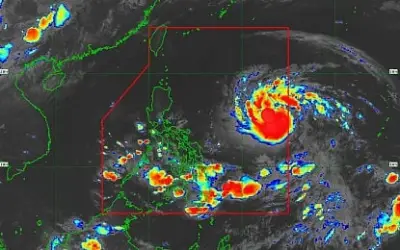
- Total Recovery Needs: P19.23 billion to P19.28 billion, excluding additional damage from Typhoon Tino
Detailed Recovery Requirements
The comprehensive recovery plan addresses multiple sectors with specific funding requirements:
- Social Sector: P10.13 billion for housing, education, health, and social services, including rebuilding damaged homes and classrooms
- Infrastructure: P2.83 billion for roads, bridges, ports, slope protection, and utilities
- Productive Sector: P1.98 billion for agriculture, fisheries, tourism, trade, and industry
- Cross-cutting Sectors: P4.29 billion for governance, environment, disaster risk reduction, and planning
Multi-Source Funding Strategy
To meet the substantial P19.28 billion recovery requirement, the provincial government has identified multiple funding sources totaling approximately P16.7 billion:
- Department of Education (DepEd): P6.03 billion
- Department of Public Works and Highways (DPWH): P4.37 billion
- Department of Human Settlements and Urban Development (DHSUD): P3.31 billion
- National Disaster Risk Reduction and Management Council (NDRRMC): P2.30 billion
- Cebu Provincial Government: P708.19 million
Education and Livelihood Focus
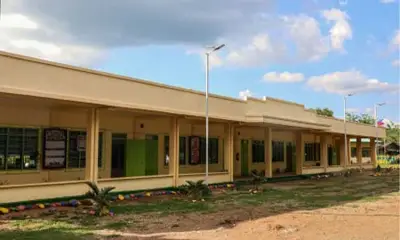
A significant portion of the provincial intervention prioritizes education recovery. The plan includes constructing new classroom buildings and 269 Temporary Learning Shelters (TLS) across 34 municipalities identified by DepEd as severely affected by the earthquake.

Governor Baricuatro, who chairs the Provincial School Board, emphasized that these classrooms will be designed as smart and climate-proof structures capable of withstanding earthquakes, flooding, and fire hazards. Construction timelines have been established with permanent classroom buildings expected within two to three months, while TLS construction targets completion within one month to ensure readiness for the June school opening.
"These efforts demonstrate our unwavering commitment to restoring safe, resilient, and modern learning environments for thousands of Cebuano students," Baricuatro stated during the meeting.
The province's recovery roadmap follows a "Build Back Better and Smarter" framework, addressing immediate rehabilitation needs while simultaneously strengthening long-term disaster resilience. This comprehensive approach aims not only to restore what was lost but to create more robust communities better prepared for future challenges.