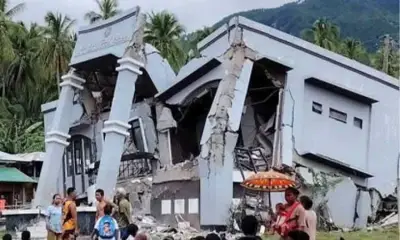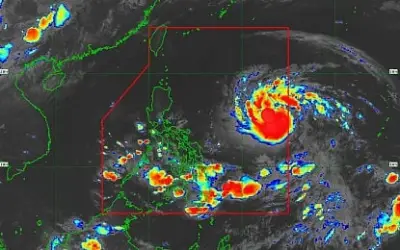
In the early hours of a recent November morning, Cebu City, a metropolis known for its vibrant dawn, was silenced by a force of nature. The familiar rhythms of buzzing markets and rattling jeepneys were replaced by the overwhelming sound of a powerful typhoon, an event that left an indelible mark on the community and its perspective on survival.
The Storm's Heavy Silence
Published on November 22, 2025, at 11:12 am, a poignant account from Breanna Keith P. Gabutin, a Junior Journo from Abellana National School, captures the aftermath. The typhoon did not just bring rain and wind; it brought a profound stillness. Streets vanished under torrential floods, and rivers expanded their domains, claiming land that residents once called their own. In that moment, the world for Cebuanos shrank to a single, unifying instinct: to survive.
This was not the first storm Cebu has endured. Generations have grown up with the routine of preparing buckets of water ahead of power outages. Yet, this typhoon felt fundamentally different. It exposed a raw vulnerability, demonstrating that even the strongest communities can feel fragile when the earth shakes and floodwaters invade homes faster than whispered prayers can rise.

Beyond Resilience: The Call for Structural Change
We can no longer accept it as normal for heavy rain to instantly trigger a state of high alert. Storms are more than mere inconveniences; they are escalating threats. Preparing for them is not an act of panic but a fundamental respect for the lives beside us and the home beneath our feet.
The debate on climate change is over. Its evidence is now the rain hitting our roofs with increased ferocity each year, the floods rising at an alarming pace, and the skies changing without seeking our permission. For Cebu, adaptation must evolve from a concept of spirit to one of structure. While our innate compassion remains a core strength, it must now be backed by robust infrastructure that acts as a true shield.
Cebuanos are often praised for their strength, but this strength should not be a perpetual bandage for a wound that requires proper treatment. True resilience does not mean forever enduring; it means we deserve and must demand better preparation, smarter systems, and leadership that prioritizes disaster readiness even under the calmest, sunniest skies.
Rebuilding with Purpose
When the skies finally cleared, life did not snap back to normal. Instead, it began anew, slowly and quietly. The recovery mirrored the storm's onset: people emerged from their homes, swept debris from driveways, checked on relatives, and whispered thanks for their safety.
This is the essence of Cebu: a community built on mountains, surrounded by sea, and fortified by people who know how to care for one another even when they have little left to give. The storm has passed, but its memories and the critical lessons it imparted remain. Let this be the moment we choose to learn and prepare, not just endure. Let this typhoon be remembered not for the damage it inflicted, but for the profound change it must inspire.
Because storms will undoubtedly come again. And when the next one arrives, survival should not be the only story we have to tell.