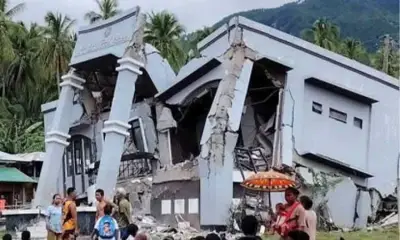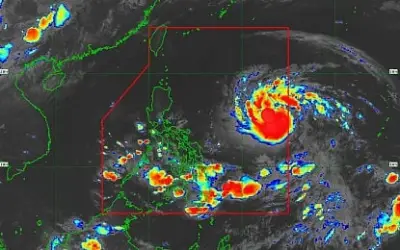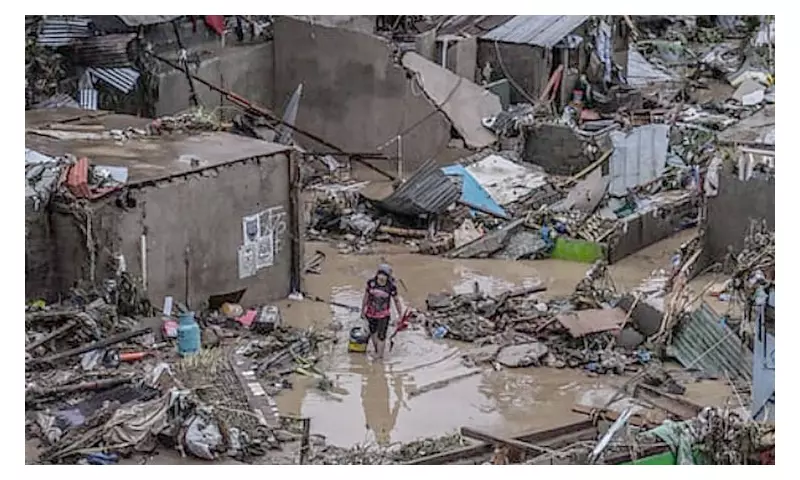
The human cost of Typhoon Tino in Cebu Province has escalated dramatically, with authorities confirming a tragic rise in the number of casualties. The latest official report paints a somber picture of the storm's destructive path.
Rising Casualties and Widespread Damage
According to the Cebu Provincial Disaster Risk Reduction and Management Council (PDRRMC), the situation as of Tuesday, November 25, 2025, is dire. The council's report confirms 96 individuals have lost their lives, while 1,836 people are injured and 43 remain missing. The municipality of Compostela is grappling with the highest number of fatalities at 37, followed by Liloan with 23 and Balamban with 16.
In a clarification from the PDRRMC, three deaths initially recorded in Asturias were later confirmed to be residents of Balamban after a validation process. The impact on the injured is also severe, with Balamban reporting 1,340 injuries and Compostela 362.

Mass Displacement and Critical Infrastructure Status
The province continues to operate under a Blue Alert, with its Emergency Operations Center working around the clock. A State of Calamity has been in effect since November 4, underscoring the widespread damage Typhoon Tino inflicted.
Currently, 69 evacuation centers are providing shelter to 11,098 families, or 36,070 individuals. Liloan hosts the largest population of evacuees at 22,583 people, highlighting the scale of displacement. The damage to housing is catastrophic, with assessments revealing 16,764 houses completely destroyed and 134,506 partially damaged.
Restoration of essential services is a priority. The Metropolitan Cebu Water District (MCWD) is currently operating at 76 percent of its capacity. While Mandaue's water supply is nearly fully restored and Talisay City's wells are operational, challenges persist. Upland areas in Balamban are dependent on water rationing, and Tabogon's water system is only at 25 percent restoration.
Ongoing Relief and Rehabilitation Efforts
In response to the crisis, a significant relief operation is in full swing. Monetary donations have reached an impressive P61.79 million, comprising cash, checks, and bank transfers. Since November 21, aid distribution has included over 37,000 food packs, 114,000 kilograms of rice, and tens of thousands of bottled water, alongside essential hygiene and sleeping kits.
As Cebu Province navigates this disaster, the focus remains on search and rescue for the missing, providing for the displaced, and rebuilding shattered communities and infrastructure.