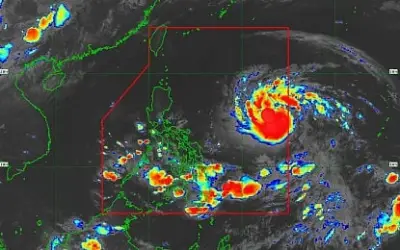
The powerful Typhoon Tino left a trail of destruction across Cebu on November 4, 2025, triggering a dramatic surge in vegetable prices at local markets as farmers struggle to recover from widespread damage to crops and infrastructure.
Agricultural Devastation and Supply Chain Disruption
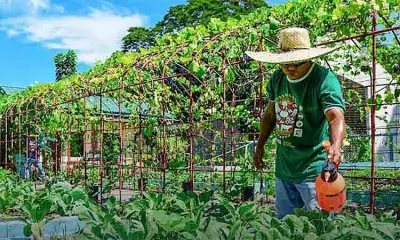
When Typhoon Tino struck Cebu, the storm's heavy rains caused severe flooding and landslides in upland barangays of Cebu City and surrounding areas. These agricultural hubs typically supply a significant portion of Cebu's vegetables to major distribution centers like Carbon Public Market.
The storm rendered many roads impassable, making it nearly impossible for farmers to transport their surviving produce to market. This supply chain breakdown, combined with extensive damage to farmlands, created an immediate shortage of fresh vegetables throughout the region.

Sharp Price Increases Hit Consumers Hard
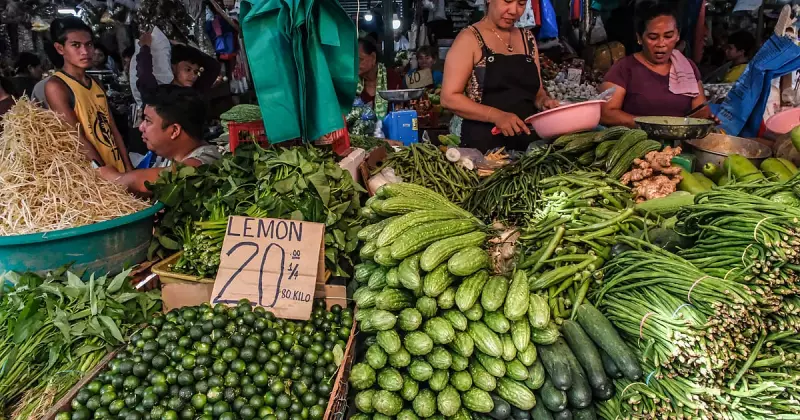
The price surge at Carbon Public Market has been dramatic and widespread. Kamote tops (sweet potato leaves) jumped from P30 to P50 per kilo, while alugbati (Malabar spinach) experienced a staggering 150 percent increase from P40 to P100 per kilo.
Other staple vegetables saw similar price hikes:
- Kangkong (water spinach) doubled from P50 to P100 per kilo
- Kamunggay (moringa) increased from P60 to P100 per kilo
- Sayote (chayote) rose from P10-P20 to P20-P40 each
- Sili spada (long chili peppers) skyrocketed from P180 to P400 per kilo
- Baguio beans nearly doubled from P80 to P160 per kilo
The storm's impact extended beyond leafy greens. Sibuyas (local onions), crucial for Filipino cooking, jumped dramatically from P100 to P350 per kilo, while generic chili peppers surged to P260 per kilo. Interestingly, garlic prices saw a slight decrease from P120 to P90 per kilo, despite global shortages affecting this commodity.
Recovery Efforts and Long-Term Implications
The price surge places additional strain on Cebuano families already dealing with typhoon damage to their homes and livelihoods. Many households now face the dual challenge of rebuilding while coping with inflated food prices for basic vegetables.
In response to the crisis, local government and agricultural agencies have begun distributing aid to affected farmers, including seeds, fertilizers, and equipment to help restart agricultural production. Simultaneously, repair crews are working to restore damaged roads and supply chains to stabilize the market.
Typhoon Tino's aftermath highlights the vulnerability of Cebu's agricultural sector to extreme weather events, particularly in the era of climate change. The situation underscores the urgent need for more resilient farming practices and improved infrastructure to protect regional food security against future natural disasters.
While recovery will take time, the ongoing efforts to support the farming community and restore market stability offer hope that Cebu can rebuild stronger in the coming months.