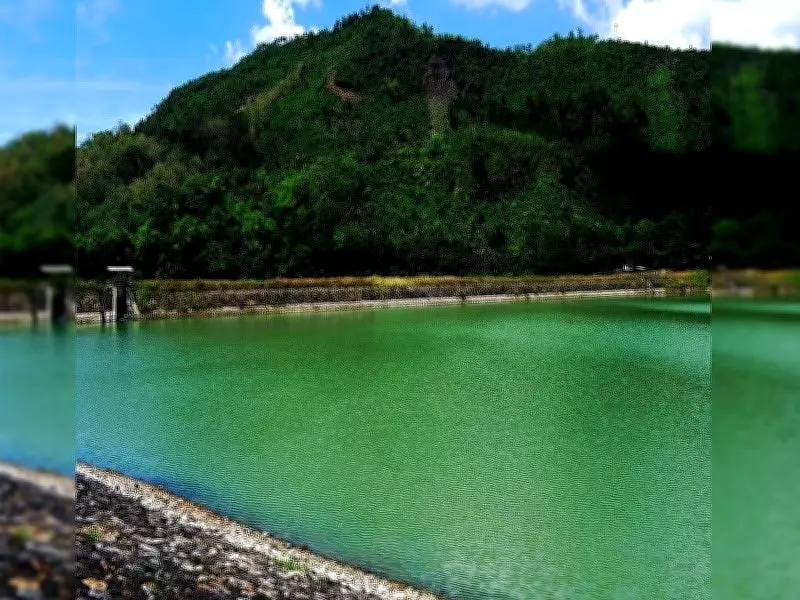
The Metropolitan Cebu Water District (MCWD) has reported a significant drop in water production at its Jaclupan facility in Talisay City, Cebu. Output has decreased from 25,000 cubic meters per day to 21,000 cubic meters per day due to reduced rainfall and the looming El Nino phenomenon, which are affecting supply sources in southern Metro Cebu.
Decline in Production
MCWD general manager John DX Lapid stated that the decline began in April after the Philippine Atmospheric, Geophysical and Astronomical Services Administration (Pagasa) recorded lower rainfall. This has raised concerns about possible low water pressure in parts of Cebu City and nearby localities in the coming months. Lapid explained that the southern portion of Metro Cebu, particularly some barangays in Cebu City and portions of Talisay, are currently affected by the drop in volume from the Jaclupan facility.
Low Pressure, Not Interruption
Despite the decline, Lapid clarified that there are no widespread water interruptions yet. He emphasized that the situation involves low water pressure rather than a total loss of supply. According to information from MCWD's distribution division, the areas currently affected are Barangays Pardo and Bulacao. However, leak detection teams are still assessing other areas to determine whether low-pressure complaints may also be caused by pipeline leaks. Lapid noted that some consumers in affected areas may already be experiencing weaker water flow due to the reduced output.

Northern Cebu Stable
Lapid said that northern Cebu remains stable for now, with supply from the Carmen bulk water source continuing to augment demand. Based on previous El Nino episodes, the Carmen source has remained resilient even during prolonged dry spells. However, the water district acknowledged that consumers may need to adjust their expectations, particularly during peak dry season periods. Lapid stated, "The assurance is they will have water. As to making it 24 hours, we cannot assure that."
Emergency Response Measures
To address the expected impact of El Nino, MCWD has started coordinating with the Cebu City Government after a recent meeting with Mayor Nestor Archival to discuss contingency measures and supply augmentation plans. Among the immediate measures being prepared are the deployment of mobile siphon tanks in upland barangays, additional groundwater development projects, and regulated extraction from designated fire hydrants for government-authorized water tankers.
MCWD said two mobile siphon tanks are initially set for deployment in Barangays Bonbon and Cambinocot to process freshwater sources into potable water for communities in upland areas. The utility is also identifying another possible deployment site after bulk supplier Vivant offered a portable water treatment facility that could be used during severe shortages.
New Groundwater Sources
At the same time, MCWD has started drilling additional groundwater sources, including a new well site in Barangay Kalunasan. The agency is also finalizing an agreement with the Cebu City Government that would allow drilling operations in eight public school sites, most of them located in southern Cebu City barangays vulnerable to supply shortages. According to MCWD, groundwater sources are considered more resilient during El Nino and dry season conditions.
Long-Term Desalination Plans
Beyond emergency interventions, MCWD said it is reviving plans to establish its own desalination facilities across Metro Cebu as part of a long-term strategy to address recurring water shortages. The water district said desalination projects would eventually reduce dependence on private bulk suppliers and diversify Cebu's water sources. Lapid stated, "Metro Cebu is rich in seawater. That will eventually be the direction." He added that desalination plants are considered less capital-intensive than large-scale surface water projects such as dams. The agency noted that projects like the proposed development of the Mananga River system would require National Government funding due to the massive investment needed.

Hydrant Warning
Meanwhile, MCWD warned against unauthorized extraction of water from hydrants, particularly in upland barangays. The utility said some individuals have reportedly been sourcing water illegally and reselling it at higher prices in upland communities. Because of this, MCWD said only tankers officially authorized by the Cebu City Government will be allowed to extract water from designated hydrants, with monitoring systems and personnel assigned to track deliveries. The water district also urged residents to begin conserving water as the dry season intensifies. Lapid concluded, "People really need to conserve water, especially during this time."