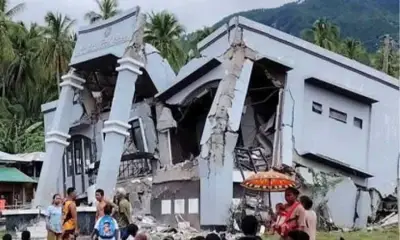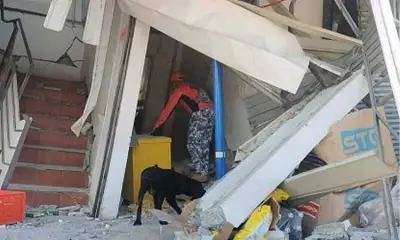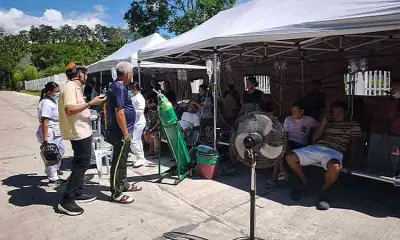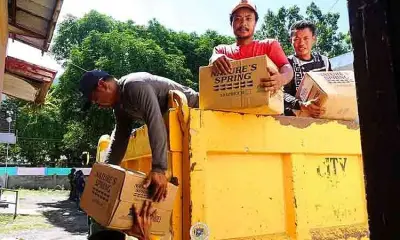
The memories of October 15, 2013, remain vividly etched in the minds of Cebu residents, when a massive 7.2 magnitude earthquake struck Bohol and sent powerful tremors throughout Central Visayas. Even years later, the psychological scars continue to affect daily life in Cebu.
The Unforgettable Tremors
When the earth violently shook that Tuesday morning, it wasn't just buildings that crumbled—the sense of security among Cebuanos shattered as well. The quake's intensity forced people to evacuate homes and offices, with many experiencing panic attacks and overwhelming fear that persists to this day.
Enduring Psychological Impact
Recent minor tremors serve as painful reminders of that catastrophic event. Each new seismic activity triggers anxiety and traumatic memories, demonstrating how natural disasters leave behind invisible wounds that take years, sometimes generations, to heal.

The trauma manifests in various ways:
- Heightened anxiety during even minor tremors
- Sleep disturbances and nightmares
- Hypervigilance and constant awareness of surroundings
- Reluctance to enter multi-story buildings
A Community Forever Changed
The collective trauma has altered how Cebuanos approach disaster preparedness and mental health awareness. While physical reconstruction has progressed, the emotional rebuilding continues, with many residents developing what psychologists call "seismic anxiety"—a persistent fear of earthquakes that affects daily decision-making and quality of life.
Moving Forward with Resilience
Despite the ongoing psychological challenges, the Cebu community demonstrates remarkable resilience. The experience has fostered greater awareness about mental health support during disasters and highlighted the need for comprehensive recovery programs that address both physical and emotional damage.
The story of Cebu's earthquake trauma serves as a crucial reminder that the true impact of natural disasters extends far beyond visible damage, lingering in the hearts and minds of survivors long after the ground stops shaking.