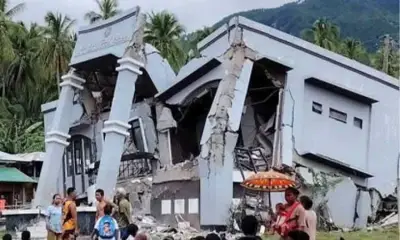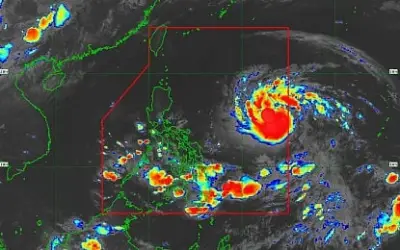
The province of Cebu has been relentlessly tested by a series of natural disasters in a short span of time, showcasing both the effectiveness of preparedness and the persistent vulnerabilities within communities.
A Chronology of Calamities in Cebu
The challenges began on September 30, when a significant earthquake struck, severely impacting Bogo City and neighboring municipalities in the northern part of the province. This seismic event was followed on November 4 by Typhoon Tino, which battered Central Cebu. The storm caused severe flooding, with waters reaching the second floor of houses near rivers in Liloan City, Barangay Bacayan in Cebu City, and Talisay City.
Merely 20 days later, the province faced another threat. Typhoon Verbena made landfall in Talisay City at 2:40 AM on Tuesday, November 25, 2025. While Verbena was not as powerful as Tino and did not cause similarly deep flooding, it still triggered problems. Flooding was reported in Barangays Poblacion 1, 2, and 3 in Carcar City, Barangay Rafael in Barili Town, and in Dumanjug City.

Disaster Response and a Puzzling Contrast
The most critical and positive outcome from Typhoon Verbena was the confirmation that there were no reported deaths or injuries in Cebu Province. This success is widely attributed to the effective mobilization of local disaster risk reduction and management councils (LDRRMCs) and the cooperation of residents who heeded calls for pre-emptive evacuation.
However, a starkly different situation unfolded on Olango Island in Lapu-Lapu City. During the powerful Typhoon Tino, only five (5) houses were damaged. Yet, under the weaker Typhoon Verbena, the number of damaged houses skyrocketed to twenty-one (21).
Key Lessons in Vulnerability and Resilience
Pangan-an Barangay Captain Junrey Casiao pinpointed the cause of this discrepancy. He emphasized that the extensive damage was due to the lightweight materials used in many houses and their proximity to the shoreline. The strong winds and rain coming from the sea directly hit these coastal homes.
This situation on Olango Island delivers a crucial lesson: danger is not solely dependent on a typhoon's strength, but also on a community's vulnerability. The structural integrity of houses and their location near hazardous zones like coastlines, rivers, or flood-prone areas are major factors in the extent of damage.
This calls for stricter enforcement of building regulations by local government units, especially in areas frequently battered by winds and waves. Residents, too, must take the initiative to strengthen their homes to better withstand future calamities.