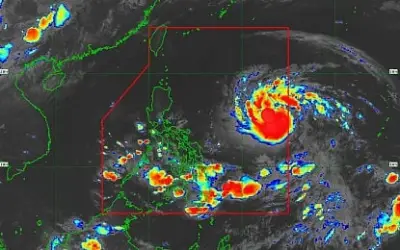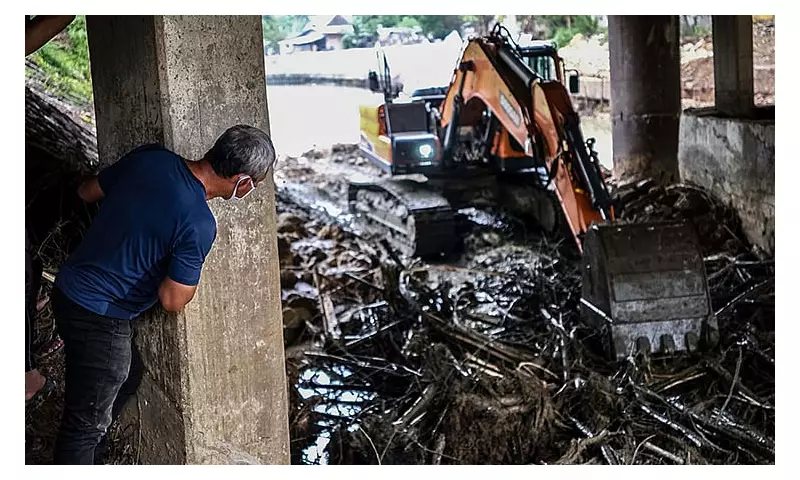
It has been one month since Typhoon Tino unleashed severe flooding in Compostela City, Cebu, yet the path to full recovery remains long and arduous for its residents. The storm, which struck on November 4, 2025, caused the Cotcot River to overflow, devastating communities living along its banks and leaving a trail of significant damage that local authorities are still grappling with.
A Community Submerged and a Slow Path Forward
The local government, led by Mayor Felijur P. Quino, has been working tirelessly to address the aftermath, but the scale of the destruction is slowing progress. Municipal Administrator Joel Durante, in an interview with SunStar Cebu, emphasized the challenges. "Recovery cannot be rushed due to the magnitude of the damage, but the local government headed by our Mayor Felijur P. Quino are doing its best to address related concerns on the recovery program," Durante stated. He described how residents in coastal barangays had never seen the Cotcot River swell to such dangerous levels, which ultimately forced many to flee their homes.
Upstream Waters Worsen Local Impact
A critical factor in the severity of the Compostela City flooding was the origin of the floodwaters. Durante explained that the biggest volume of water came from Cebu City. The Cotcot River shares a river basin with Liloan and the Lusaran area of Cebu City, meaning that heavy rains and runoff from these upstream locations funneled directly into Compostela. This interconnected watershed meant that adjacent barangays were all greatly affected by the surge, compounding the disaster beyond local weather conditions.

Rebuilding Lives After the Deluge
The primary focus for Compostela City now is on its long-term disaster recovery program. The flooding from Typhoon Tino not only damaged homes and infrastructure but also disrupted livelihoods and community stability. The local government's efforts are centered on providing immediate aid while planning for resilient reconstruction. The experience has highlighted the vulnerability of riverine communities and the need for coordinated basin-wide flood management strategies, especially with neighboring local government units.
As the clean-up continues, the spirit of bayanihan is evident, but officials remind the public that rebuilding from such a significant natural disaster is a marathon, not a sprint. The resolve of Mayor Quino's administration is being tested as they work to help residents return to normalcy and build back stronger against future threats.