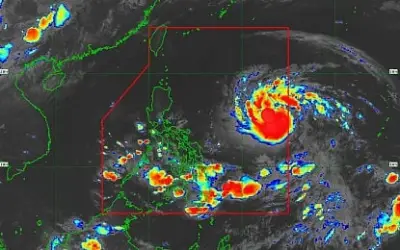
Residents of Barangay Tamiao in Compostela, Cebu, are constructing temporary shelters and appealing for sustainable livelihood assistance, one month after Typhoon Tino triggered unprecedented flash floods that destroyed their homes. The disaster, caused by the rare and massive overflow of the Cotcot River basin, has left a trail of devastation, with local officials describing it as the most severe flooding in decades.
Unprecedented Scale of Destruction
In an interview with SunStar Cebu on Thursday, December 4, 2025, Municipal Administrator Joel Durante confirmed the extraordinary nature of the disaster. The Cotcot River overflowed with a magnitude not seen in the last 50 to 90 years, according to accounts from residents of coastal barangays. The floodwaters surged through all 17 barangays of Compostela, a town traversed by the Canamucan and Cotcot River basins.
"The biggest volume of water came from Cebu City. The Cotcot River shares the same river basin with Liloan and the Lusaran area of Cebu City, so adjacent barangays were all greatly affected," Durante explained. He admitted that while the local Disaster Risk Reduction and Management (DRRM) team executed forced evacuations for more than 4,000 families starting November 1, the power of the flood was beyond anticipation. "The water was so extreme that even big houses, including second floors, were swept away," he said.

Ongoing Recovery and Search Operations
The human cost of the typhoon remains stark. As of December 4, Compostela recorded 37 fatalities, with only 26 identified as local residents. The remaining victims are believed to have been swept in from Cebu City. A total of 21 persons are still missing. Barangay Captain Leilamie Talingting of Tamiao reported that six residents from her village are among the missing.
Search and retrieval operations continue with support from the Philippine Coast Guard, Philippine National Police, Armed Forces of the Philippines, and K9 units augmented from Region 5. Excavators and canine teams are deployed in coastal barangays from Cabadiangan to Cotcot. A body found in front of the Tamiao barangay hall is undergoing DNA testing for identification.
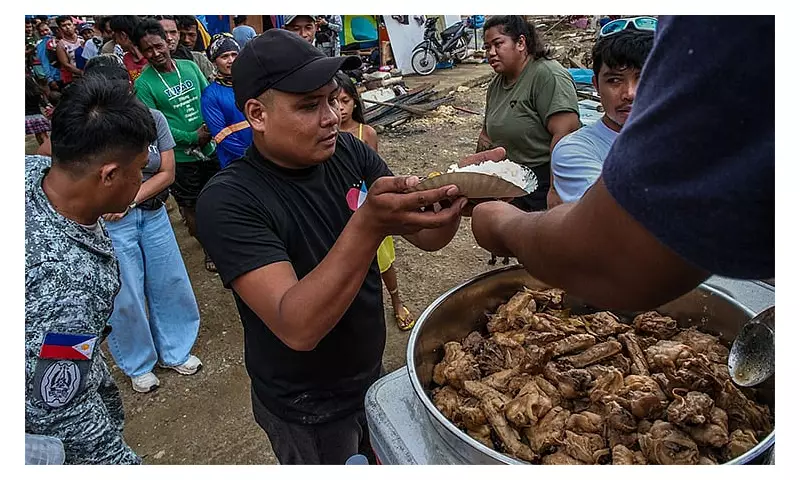
Barangay Tamiao itself is a ground zero of the damage. Captain Talingting reported 63 totally damaged houses and over 176 partially damaged structures, mostly near the river. While NGOs like the Purposeful Unconditional Service to Others (Puso) and the Philippine Air Force have provided immediate food and water, and the LGU distributed roofing sheets and plywood, these are insufficient for long-term recovery.
The Critical Need for Livelihood Support
The central plea from affected communities now shifts from immediate relief to sustainable recovery. "Relief goods are insufficient for long-term recovery," emphasized Barangay Captain Talingting. She stressed that residents need a stable source of income to reconstruct their homes and lives.
The disaster has crippled local livelihoods. Most residents depend on river sand collection, construction work, and factory jobs—all of which have been disrupted. Sand collectors cannot resume work due to safety concerns issued by the barangay. The local government, under Mayor Felijur Quiño, is addressing recovery concerns, but officials acknowledge the process will not be quick.
Reflecting on the disaster's scale, Talingting, born and raised in the barangay, said, "The floods brought by typhoon Tino looked like something from the Bible." She recounted the tragic resistance of some residents to preemptive evacuation, including one fatality who insisted they were safe near the mountains. The community's path forward now hinges on rebuilding not just homes, but the economic foundation that sustains them.