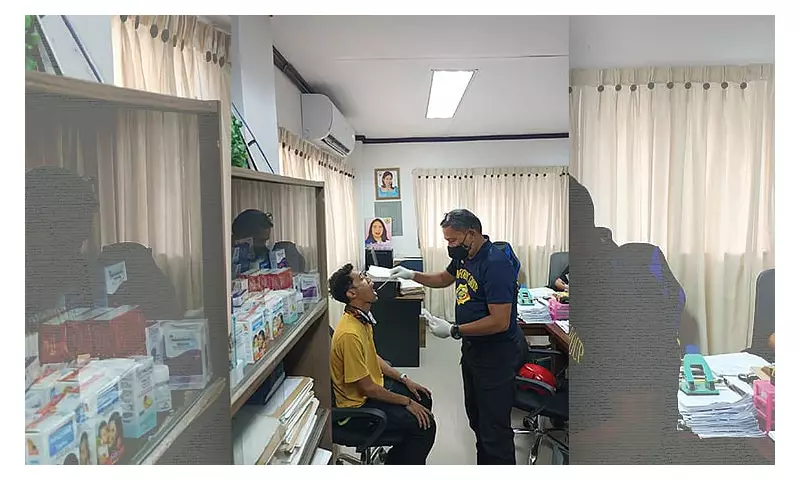
In a critical step towards providing answers to grieving families, forensic teams in Cebu have begun collecting DNA samples from relatives of those missing after a devastating flash flood.
A Crucial Step for Identification
The PNP Forensic Unit 7 - Disaster Identification Team, in coordination with the Cebu City Disaster Risk Reduction and Management Office (CCDRRMO), is leading the effort. The operation specifically targets families in the mountainous barangays of Binaliw, Paril, and Lusaran in Cebu City. These areas were severely impacted when Typhoon Tino triggered a flash flood on November 4, 2025.
The primary goal is to match DNA from family members with unidentified bodies recovered in various locations. Many victims were carried far from their homes by the floodwaters, making visual identification impossible. This scientific process is the most reliable way to confirm the identities of the deceased and bring a measure of clarity to their loved ones.

The Scale of the Tragedy
The data from the CDRRMO paints a somber picture of the disaster's human cost. More than 30 people lost their lives in the sudden deluge. As of now, five individuals remain missing and have not been located, underscoring the ongoing search and recovery challenges.
The DNA collection drive is not just a procedural task; it is a profoundly human one. For families living in uncertainty for weeks, a DNA match can provide the painful but necessary confirmation needed to begin the legal and emotional processes of closure. Officials emphasize that this is a vital service to help communities heal.
Moving Forward with Forensic Science
The samples collected will be processed and compared against the genetic profiles of the recovered victims. This method of disaster victim identification is considered a global best practice, especially in incidents involving multiple casualties where traditional identification fails.
The collaboration between police forensics and local disaster management highlights a coordinated response to one of the aftermath's most difficult phases. While the storm has passed, the work of accounting for every person continues, with science now offering a path forward for those left waiting.