DSWD Mobilizes Massive Relief Effort After Cebu Earthquake
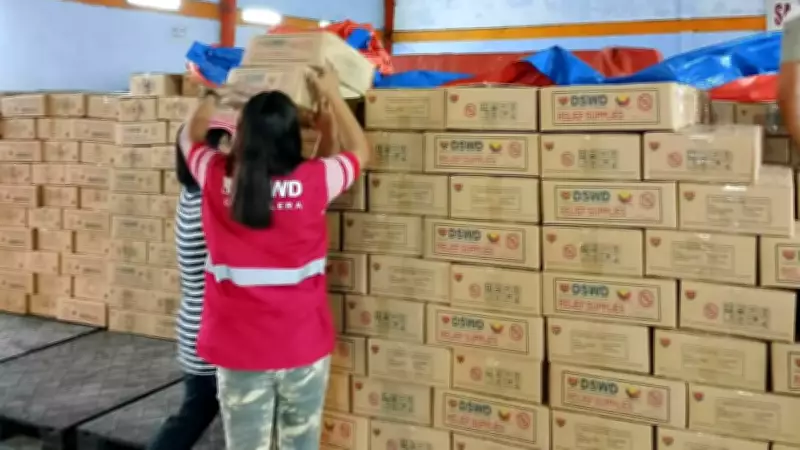
The Department of Social Welfare and Development (DSWD) has announced its readiness to deploy over 443,000 family food packs to Cebu and adjacent regions in response to a magnitude 5.1 earthquake that struck Bogo City on Monday afternoon. This swift action underscores the agency's commitment to supporting affected communities during times of crisis.
Coordinated Response and Preparedness Measures
According to DSWD Assistant Secretary Irene Dumlao, the department is actively collaborating with local governments to assess the specific needs of impacted areas. The agency is prepared to provide additional assistance and preposition relief supplies, especially as the Philippine Institute of Volcanology and Seismology (PHIVOLCS) has warned of potential aftershocks. To ensure rapid deployment, DSWD's regional offices in the Visayas are on standby, equipped with mobile command centers, mobile kitchens, and water systems.
Historical Context and Safety Advisories
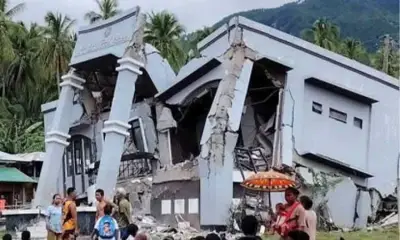
PHIVOLCS confirmed that this recent tremor is an aftershock of a stronger magnitude 6.9 earthquake that hit the same location in September 2025, which caused significant damage across the province. In light of this, residents in Cebu are advised to remain vigilant and cooperate with their local authorities for safety. This event highlights the ongoing seismic risks in the region and the importance of continuous preparedness.

Enhanced Disaster Response Infrastructure
Prior to this incident, President Ferdinand Marcos Jr. and Social Welfare Secretary Rex Gatchalian inaugurated an upgraded production system at the Visayas Disaster Resource Center. This facility is capable of producing up to 30,000 food packs per cycle, significantly accelerating disaster response times. The integration of such advanced systems ensures that relief efforts can be scaled efficiently to meet urgent demands.
Key elements of DSWD's preparedness include:
- Over 443,000 family food packs ready for distribution.
- Standby regional offices with mobile resources for immediate deployment.
- Ongoing coordination with local governments to tailor support.
- Warnings from PHIVOLCS about possible aftershocks, prompting heightened alertness.
This comprehensive approach aims to mitigate the impact of the earthquake and safeguard the well-being of affected populations, reinforcing the government's dedication to resilient disaster management strategies.