Deadly Inferno Claims 55 Lives in Hong Kong Residential Complex
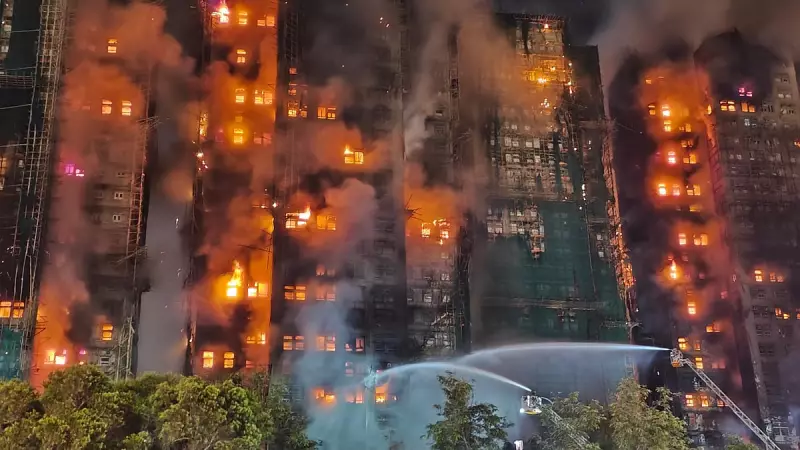
A devastating fire swept through Wang Fuk Court in Hong Kong's Tai Po district on Wednesday afternoon, November 26, 2025, resulting in one of the deadliest residential blazes in the city's recent history. The Fire Services Department confirmed the death toll has risen to 55 people during a press briefing held on Thursday.
Mass Casualties and Rescue Operations
The scale of the tragedy continues to unfold as emergency services work around the clock. According to official reports, 72 injured individuals have been transported to hospitals for urgent medical treatment. Among the casualties are eight firefighters who bravely responded to the emergency.
The situation remains critical with over 200 people still reported missing, leaving families in anguish as search and rescue operations continue. The Fire Services Department has deployed massive resources to the scene, including 304 fire engines and rescue vehicles, in one of Hong Kong's largest emergency responses to a residential fire.

Renovation Work and Suspected Cause
Wang Fuk Court consists of eight residential buildings that were undergoing major renovations at the time of the fire. All structures were encased in green mesh and scaffolding, which authorities believe contributed to the rapid spread of flames.
Police investigations have pointed to flammable materials covering the buildings as a likely factor in the fire's intensity and speed. This discovery led to the arrest of three men responsible for the renovations on suspicion of manslaughter.
Firefighters have made significant progress in containing the disaster, having extinguished flames in four of the eight affected buildings and brought the fire under control in the remaining three structures. The department has employed drone technology to monitor heat levels and prevent rekindling of the blaze.
The Wang Fuk Court fire represents one of Hong Kong's worst residential fire disasters in decades, raising serious questions about construction safety standards and emergency preparedness in densely populated urban areas.