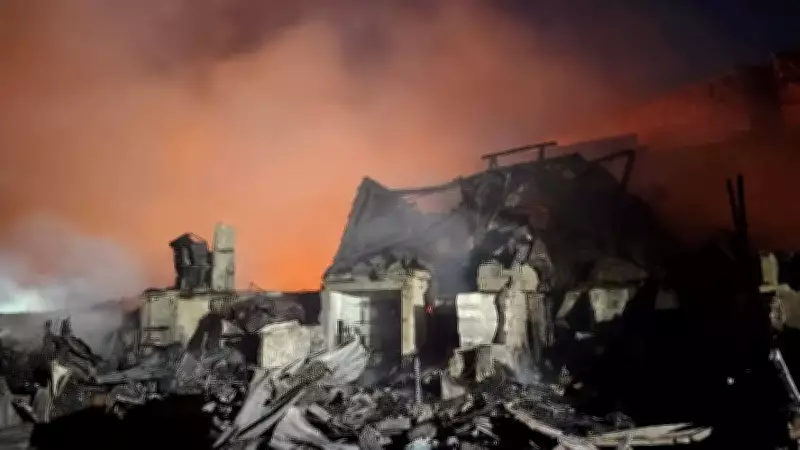
A devastating fire in Manila raged for more than six hours before firefighters managed to fully extinguish the blaze, leaving hundreds of families displaced and emergency services stretched to their limits. The incident, which occurred at the intersection of Cabildo Street and Anda Street in Barangay 655, Manila, has drawn significant attention from local disaster management authorities.
Timeline of the Fire Incident
According to the Manila City Disaster Risk Reduction and Management Department, the fire ignited at approximately 5:01 PM on February 25. It quickly escalated, reaching a fourth alarm status, which indicates a severe and complex emergency requiring extensive resources and coordination from multiple fire stations across the city.
Response and Evacuation Efforts
Firefighters battled the flames tirelessly, with the fire finally being brought under control around 11:30 PM. The prolonged response time highlights the challenges faced in densely populated urban areas like Manila, where narrow streets and high-rise buildings can complicate firefighting operations.

The blaze has had a profound impact on the local community, with an estimated 535 families affected by the disaster. In response, authorities have relocated these displaced families to the Delpan Evacuation Complex, where they are receiving temporary shelter and support while assessments are conducted.
Investigation and Ongoing Concerns
As of now, the cause of the fire remains under investigation by local authorities. Officials are working diligently to determine the origin and factors that contributed to the rapid spread of the flames. This incident underscores the importance of robust fire safety measures and emergency preparedness in urban settings.
The Manila City Disaster Risk Reduction and Management Department continues to monitor the situation, ensuring that affected residents have access to necessary aid and that preventive measures are reviewed to mitigate future risks. The community is urged to stay vigilant and cooperate with authorities during this recovery phase.