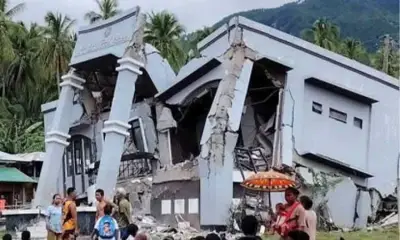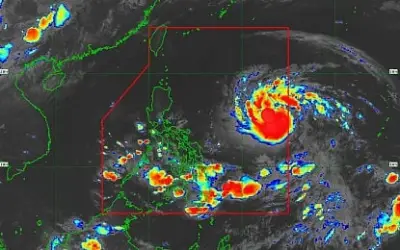
The Philippines, positioned along the volatile Pacific Ring of Fire, continues to experience frequent seismic activity. Despite this geological reality, each new earthquake appears to surprise the nation as if the ground had never shaken before. The recent tremors affecting various regions serve as more than just natural occurrences—they represent critical tests of the country's foresight, governance, and collective resilience.
Building Resilience Through Infrastructure and Planning
The time has arrived to transform the national conversation from reactive disaster response to proactive preparation. True national strength should be measured not by recovery capabilities alone, but by prevention efforts. The focus must shift from rebuilding after destruction to preventing that destruction entirely.
A comprehensive infrastructure review represents the essential starting point for this transformation. Numerous public buildings—including schools, hospitals, and government offices—remain structurally vulnerable to seismic forces. Addressing these weaknesses isn't merely a long-term objective but an immediate priority requiring dedicated government funding for both emergency response and engineering solutions that can withstand earthquakes.

Integrating Disaster Prevention into Urban Development
Disaster risk reduction must become fundamental to urban planning strategies. Local government units need both empowerment and accountability for enforcing building codes, zoning regulations, and land-use policies. Informal settlements located on fault lines or landslide-prone areas don't just represent potential accidents—they signify policy and enforcement failures. The cost of inaction extends beyond financial measures to human lives.
Preparedness should evolve into a core component of the national consciousness. Earthquake drills, hazard mapping, and public education campaigns need to become as routine as electoral processes. Educational institutions must incorporate earthquake science and preparedness ethics into their curricula. Communities require training for swift, effective response—not merely for survival but for assisting others. Preparedness constitutes a civic responsibility, not an optional luxury.
Leveraging Technology and Leadership for Seismic Safety
Technology plays a crucial role in disaster mitigation. Early warning systems, mobile alerts, and real-time data sharing can save countless lives when properly implemented. The government must invest in seismic monitoring networks and ensure seamless information flow from experts to citizens. In our digital era, ignorance transforms from an excuse into a liability.
However, technology cannot substitute for effective leadership. National agencies must collaborate with local governments, civil society organizations, and private sector entities to present a unified front. Fragmented responses and bureaucratic delays have no place in disaster management. What the Philippines needs is a culture of collaboration where every stakeholder understands their role before seismic activity begins.
The private sector bears significant responsibility in this collective effort. Companies should evaluate facility safety, develop contingency plans, and support community preparedness initiatives. Corporate social responsibility should evolve from charitable activities to strategic risk management. Ultimately, economic stability depends directly on physical safety.
Political will forms the foundation of all preparedness efforts. The government must resist treating disaster preparedness as a seasonal concern. Legislation must advance rapidly, funding must be allocated wisely, and actions must be decisive. Earthquakes don't await election cycles or budget hearings—nor should our preparations.
Despite clear scientific evidence, repeated warnings, and historical precedents, complacency remains deeply embedded in the national consciousness. This silent threat grows more dangerous precisely because of its invisibility. The crucial question facing the nation is no longer whether another major earthquake will occur, but whether the Philippines will demonstrate the foresight, discipline, and resolve to meet it with readiness rather than regret.

In theological perspectives, earthquakes may be viewed not as divine punishment but as revealing moments that expose human vulnerability and the limits of control. They serve as sacred interruptions that shake both the ground and human complacency, reminding humanity of life's fragility and urging a return to essential values: compassion, justice, stewardship, and solidarity.
The earth continues to communicate through ruptures that fracture both land and illusion. It speaks to citizens who must no longer await tragedy to awaken their sense of duty. It addresses leaders who must overcome bureaucratic inertia and act with clarity and conviction. And it calls to a nation that must finally recognize that preparedness represents not a seasonal campaign but a moral and strategic imperative. The period for hesitation has concluded—the ground has already moved. Now the national conscience must follow.