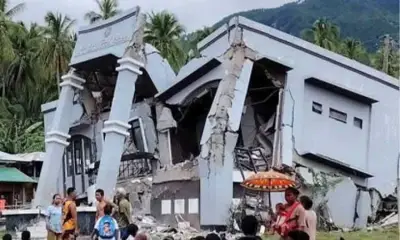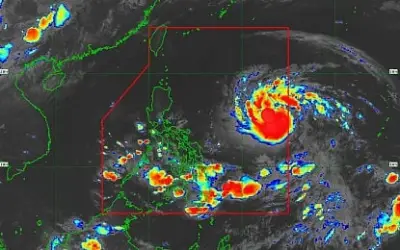
In the wake of Typhoon Tino's destructive path through the Central Visayas region, Prime Waste Solutions (PWS) Cebu demonstrated remarkable resilience by maintaining continuous operations at its Binaliw waste management facility. The company's unwavering commitment helped address the mounting debris crisis across Cebu City and Mandaue while providing crucial assistance to thousands of affected families.
24/7 Waste Management During Crisis
Prime Waste Solutions Cebu kept its Binaliw facility operational around the clock throughout Typhoon Tino's impact and during the critical recovery period. This non-stop service proved vital as storm debris accumulated across urban centers, threatening public health and hampering recovery efforts.
The company's decision to maintain 24/7 operations ensured that waste management services continued uninterrupted when communities needed them most. This proactive approach helped prevent additional environmental hazards and supported broader disaster response initiatives throughout the affected regions.

Comprehensive Community Assistance Program
Beyond maintaining essential services, PWS launched a significant relief operation that reached 2,700 families across Binaliw, Pit-os, and several barangays in Consolacion. The assistance program, conducted in partnership with Prime Infra Foundation and Manila Water Foundation, distributed essential grocery packs and safe drinking water to households grappling with the typhoon's aftermath.
Local volunteers and barangay leaders collaborated closely with PWS teams to ensure efficient distribution of supplies to the most vulnerable residents. The coordinated effort demonstrated how public-private partnerships can effectively address emergency situations.
Water Rationing and Employee Support
Recognizing the critical need for clean water in typhoon-affected areas, PWS and Manila Water Foundation organized special water rationing operations in heavily impacted Binaliw communities. This initiative provided immediate relief to residents facing water supply disruptions caused by the severe weather.
The company also extended financial assistance to its own employees affected by Typhoon Tino, ensuring that staff members could focus on their recovery without additional financial stress. This internal support system strengthened the organization's overall response capacity during the crisis.
PWS president Cara Peralta emphasized the company's ongoing commitment, stating that supporting host and neighboring communities remains a top priority during emergency situations. The comprehensive response to Typhoon Tino highlights how infrastructure companies can play pivotal roles in disaster management beyond their core operational responsibilities.