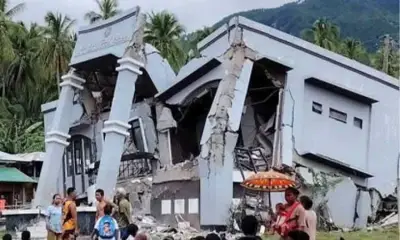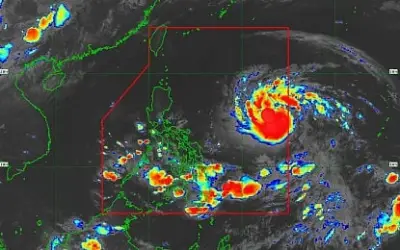
In the wake of tragedy, the speed of justice defines a society's commitment to its people. A stark contrast has emerged between the swift accountability seen in Hong Kong after a fatal fire and the prolonged suffering and unanswered questions in Cebu, Philippines, one month after Typhoon Tino ravaged the island.
Hong Kong's Lesson in Swift Accountability
Authorities in Hong Kong moved with decisive speed following a deadly residential complex fire. Within days, they arrested 15 individuals, including heads of construction companies. The message from officials was clear: when lives are lost, accountability cannot wait. Any delay only deepens the harm inflicted on victims. This rapid action aimed to identify and charge those responsible for critical safety lapses that led to the disaster.
Cebu's Month of Waiting and Unanswered Questions
Meanwhile, in Cebu, the aftermath of Typhoon Tino tells a different story. A full month has passed, and thousands of victims are still waiting. Their needs are twofold: immediate aid to rebuild shattered lives and, crucially, answers. The community demands to know who approved developments in the hardest-hit areas of Bacayan in Cebu City, Consolacion, Liloan, and Talisay City.

Residents also question who signed off on flood control projects that failed when tested and who is behind illegal quarrying operations upland that may have worsened the damage. Despite these pressing queries, there is no list of responsible officials, no charges have been filed, and no urgent action is visible—only promises of future investigations.
The Supreme Court Shows How It's Done
Closer to home, a recent Supreme Court (SC) decision demonstrated that Philippine institutions can act with urgency and enforce accountability. Last week, the SC ordered the return of P60 billion in Philippine Health Insurance Corp. (PhilHealth) funds and blocked the transfer of another P29.9 billion. The judiciary identified grave abuse of discretion and acted decisively, proving that the government can move fast when institutions take their duty seriously.
In post-typhoon Cebu, however, where the cost is measured in broken homes, trauma, rising debts, and lost lives, a similar sense of urgency is conspicuously absent. This observation comes not from a distant commentator but from a victim—a journalist whose car was destroyed and home gutted, who counts themselves fortunate to have survived when others did not.
Billions of pesos allocated for flood control, environmental protection, and zoning laws meant to prevent development on dangerous land have, so far, yielded no clear answers or consequences. Victims are left to rely on their own resilience, while the officials whose decisions may have contributed to their peril continue business as usual.
The lessons are clear and from both abroad and within. The Hong Kong arrests and the Supreme Court's PhilHealth ruling serve as powerful examples for all responsible for public safety. When public welfare is at stake, action cannot wait—whether in disaster preparedness or in holding those who failed in their duty to account. Swift justice is possible. The pressing question for Cebu and the offices sworn to protect its people is: Will they finally show the same urgency?