Nearly a month after the devastating onslaught of Typhoon Tino, residents of an urban housing community in Talisay City, Cebu, continue to face the arduous task of rebuilding their lives. The flash flood that struck on November 4, 2025, left deep scars in Purok Orchids, Barangay Biasong, with recovery efforts moving at a painstakingly slow pace.
Ongoing Struggle Amidst Mud and Darkness
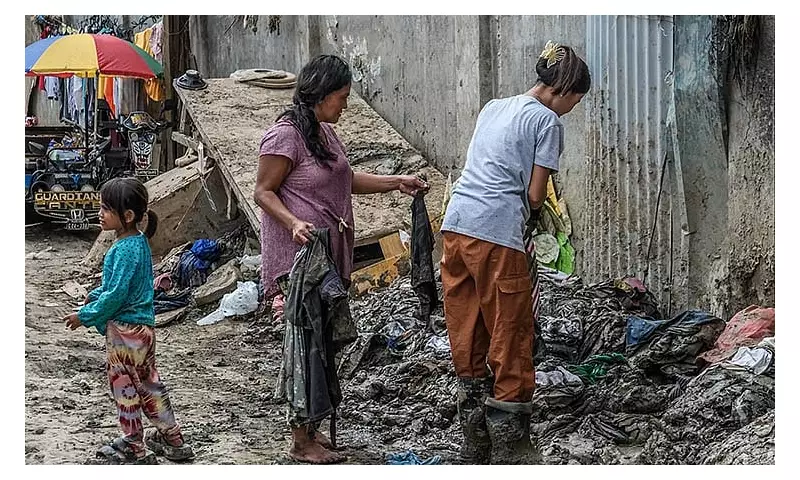
As of Tuesday, December 2, 2025, the scene in the affected area remains one of hardship. Victims were still engaged in the back-breaking work of clearing thick mud and debris from their homes. Compounding their difficulties, electricity supply has not yet been restored to the locality, forcing families to manage cleanup and daily life without power.
Life in Limbo at the Evacuation Center
For many families, returning home is still not an option. A significant number remain sheltered at the evacuation center located on the third floor of Biasong Elementary School. Their prolonged stay is due to one persistent problem: floodwaters have not fully receded from their neighborhood. This ongoing inundation prevents them from even beginning the process of repairing their damaged houses.

The emotional toll is palpable as residents sift through what little remains of their possessions. Some express a grim sense of gratitude for managing to salvage a few items of clothing, while mourning the many personal belongings that were utterly washed away by the sudden flash flood.
A Community's Resilience Tested
The story of Purok Orchids highlights the prolonged aftermath of natural disasters in urban poor communities. A month post-typhoon, the path to normalcy is fraught with obstacles—from basic utilities to habitable shelters. The community's spirit is being tested as they rely on collective strength and patience, hoping for the waters to subside and for aid to facilitate a true return.
Their situation underscores a critical phase in disaster response: the shift from immediate relief to sustained recovery support, which is crucial for vulnerable populations to truly rise again.