Talisay Typhoon Tragedy: Seven Lives Lost in Mananga River Flash Floods
The devastating impact of Typhoon Tino has exposed critical failures in disaster prevention in Talisay City, with the local disaster chief stating that seven deaths could have been avoided if families hadn't been living within danger zones along the Mananga River.
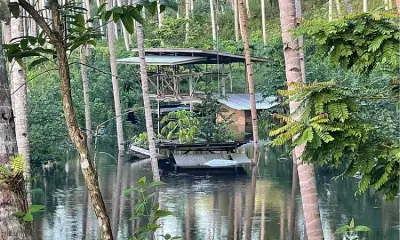
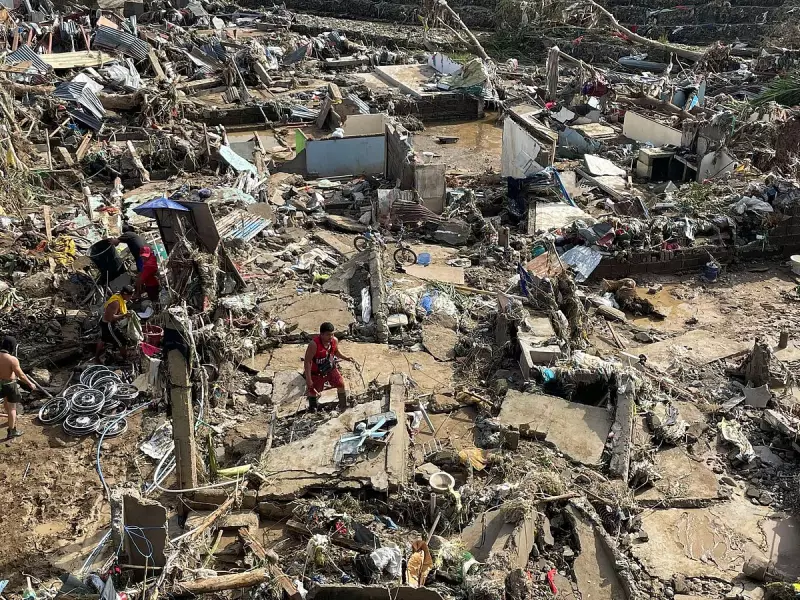
Known internationally as Kalmaegi, Typhoon Tino struck Cebu on Tuesday morning, November 4, 2025, unleashing what the state weather bureau Pagasa described as two months' worth of rainfall in just three hours. The catastrophic deluge caused the Mananga River to swell into a violent torrent, overflowing its banks and sending destructive flash floods through residential communities.
Human Cost and Destruction
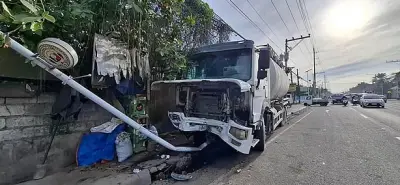
The storm's aftermath revealed scenes of total devastation across Talisay City. According to a situational report from the Cebu Province Risk Reduction Management Council on Saturday, November 8, the typhoon left seven people dead and six injured, with hundreds of families displaced and their homes completely washed away.

In Sitio Isla Verde, Barangay San Isidro, resident Crisostomo Alejado described the area as "mostly left in ruins." He and his family, along with many neighbors, lost everything they owned, forcing them to sleep on pieces of plywood along the roadside.
One of the confirmed fatalities was Roldan Aguanta Navarro, 45, a construction worker from Sitio Paglaum, Barangay Dumlog. His body was discovered floating in waters off Cordova on Thursday, November 6. His sister, Gemma Navarro Gequillo, 48, identified his body and explained that he went missing during the flood after attempting to swim when the river swelled, only to be carried away by the powerful current.
Disaster Chief's Blunt Assessment
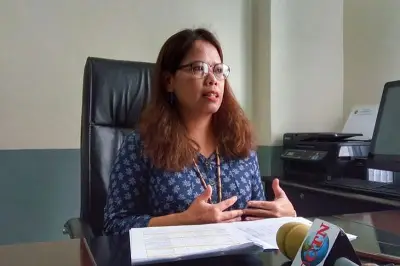
Alvin Santillana, head of the City Disaster Risk Reduction and Management Office, offered a stark analysis during a visit to an evacuation center on Friday, November 7. Speaking from his personal perspective rather than representing Mayor Gerald Anthony Gullas Jr., Santillana emphasized that the core issue wasn't deforestation but human settlement in dangerous areas.
"It's not about the trees; it's about the people living there by the river," Santillana stated. "Why were they even allowed to stay there? The rainfall was so heavy that the water naturally flowed down to the river. If there were no people living along the riverbanks, there would have been no destroyed houses and no lives lost."
Santillana clarified that many residents weren't just living on the riverbank but had actually built homes on the riverbed itself. Erosion had deposited soil and mud, creating small "islets" where families established residences, despite these areas being part of the river's natural waterway.
The Relocation Crisis
The disaster highlights a tragic cycle of poverty and risk that continues to plague vulnerable communities. Evelyn Paraiso Tan, 40, represents this heartbreaking pattern - her family had already lost their home in a fire in July and was relocated by the City Government to another spot in Barangay Lawaan 2, this time closer to the river.
"Mayor Samsam relocated us there, but it's still the same - we still get flooded," Tan lamented. Now homeless for the second time in months, she's appealing for construction materials to rebuild yet again.
When residents ask "Where will you have us live, sir?" Santillana admits there's no clear answer. The disaster chief revealed the city's stark reality: "There's none... there's no relocation. We don't have enough lots."
Road to Recovery
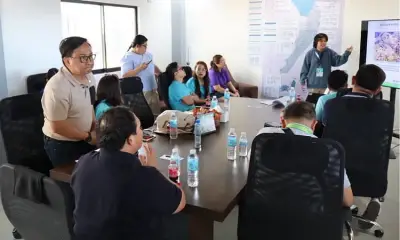
Mayor Gerald Anthony Gullas announced on Sunday, November 9 that the City Government, with private sector assistance, is providing immediate relief including food, water, and medical aid. Doctors have been dispatched to affected barangays to offer consultations and distribute free medicines, including doxycycline and anti-tetanus shots to prevent waterborne diseases like leptospirosis.

However, help for rebuilding homes will be significantly delayed. Gullas explained that the City Social Welfare and Development Office is still compiling a master list of affected families, a process complicated by the fact that many victims didn't use official evacuation centers.
"As to housing materials, we will address this once we finalized the masterlist of affected families and subsequently, once the financial aid is released," Gullas stated.
For hundreds of families like those of Crisostomo Alejado and Eugenia Alcurin, who urgently needs construction materials to rebuild "a small and sturdy" home, the wait for a safe place continues - overshadowed by the grim reality that in Talisay City, there may be nowhere safe left to build.