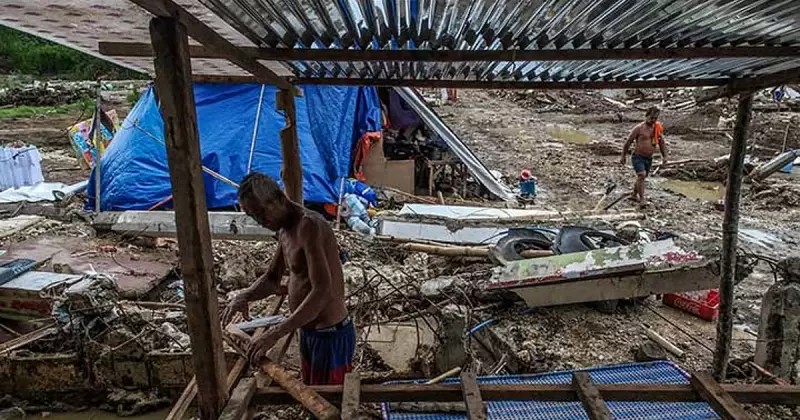
A full month has passed since Typhoon Tino's catastrophic onslaught, but for the residents of Barangay Tamiao in Compostela, northern Cebu, the struggle to recover is just beginning. The community, among the hardest hit by unprecedented flash floods on November 4, 2025, is now issuing a desperate appeal for sustainable livelihood assistance to rebuild their shattered lives.
Unprecedented Flooding Leaves Trail of Destruction
The disaster was triggered by the rare and massive overflow of the Cotcot River, an event old-time residents say had not occurred in 50 to 90 years. The river, which shares a basin with areas in Liloan and Cebu City's Lusaran, funneled enormous volumes of water downstream, directly into Compostela. The result was devastation of a scale unseen for generations.
As of Thursday, December 4, 2025, the official toll paints a grim picture. The town has recorded 37 fatalities, with 26 of those confirmed as local residents. Tragically, 21 individuals remain missing, and intensive search and retrieval operations are ongoing. These efforts involve a multi-agency collaboration, including K9 units, the Philippine Coast Guard, the Philippine National Police, the Armed Forces of the Philippines, the National Bureau of Investigation, and local disaster risk reduction management offices.

Ground Zero: Barangay Tamiao's Struggle for Survival
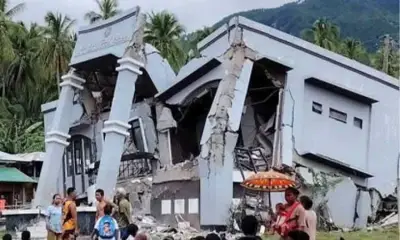
In ground-zero Barangay Tamiao, the physical and emotional scars are deep. The barangay reported 63 houses completely destroyed and another 176 structures damaged. Photographs from December 4 show residents constructing makeshift shelters from salvaged materials, a temporary solution while they await a more permanent path forward.
While private groups and NGOs like the Purposeful Unconditional Service to Others (Puso) have been instrumental in providing immediate food relief, clothing, and temporary shelter, Barangay Captain Leilamie Talingting emphasizes that this is not enough. The community's economic backbone has been shattered. Their primary sources of income—river sand collection, construction work, and factory jobs—have been completely halted due to safety hazards and damaged facilities.
The human cost is further underscored by the missing-person notices posted around the community and the somber search operations, such as the one conducted under the Cotcot Bridge on the Compostela side after K9 units alerted teams to specific debris areas. A body found near the barangay hall is currently undergoing DNA testing for identification, highlighting the prolonged agony for families of the six missing Tamiao residents.
A Plea for Long-Term Solutions
The narrative in Tamiao has now shifted from immediate survival to long-term recovery. The food lines, while crucial, are a temporary stopgap. What residents urgently need, as voiced by their leaders, is a pathway to regain their economic independence. The destruction of homes is compounded by the loss of livelihood, creating a dual crisis that threatens to extend the disaster's impact far into the future.
The appeal from this resilient yet battered community is clear: help them rebuild not just their houses, but their means of living. Sustainable support is required to restart the local economy and enable families to stand on their own feet again, moving beyond reliance on relief goods towards genuine recovery and resilience against future calamities.