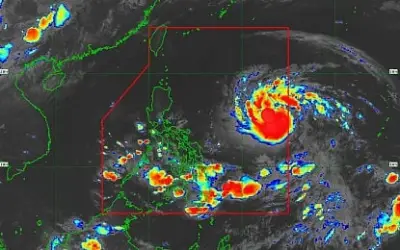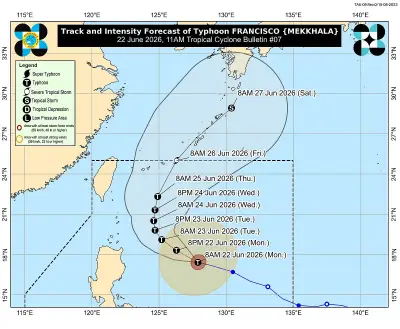
Central Visayas faced severe devastation as Typhoon Tino swept across the region, triggering massive flooding and dangerous landslides that disrupted communities and damaged critical infrastructure.
Widespread Destruction Across Multiple Provinces
The powerful typhoon unleashed its fury on several key areas in Central Visayas, with reports indicating significant impact on both urban and rural communities. Emergency response teams were immediately deployed to assess the damage and provide assistance to affected residents.
Local authorities confirmed that the storm's intense rainfall caused rivers to overflow their banks, submerging low-lying areas and forcing numerous families to evacuate their homes. The sudden rise of floodwaters caught many residents by surprise, particularly in communities located near river systems and coastal areas.

Infrastructure Damage and Emergency Response
Critical infrastructure suffered substantial damage as Typhoon Tino battered the region. Road networks became impassable due to flooding and landslide incidents, hampering transportation and relief operations. Several bridges were reported to be under water, cutting off access to isolated communities.
Power outages affected multiple municipalities as falling trees and strong winds damaged electrical lines. Emergency crews worked tirelessly to restore electricity, but complete restoration was expected to take several days given the extent of the damage.
Local government units activated their disaster risk reduction and management councils, establishing emergency evacuation centers in safe locations. Rescue operations prioritized vulnerable populations, including elderly residents, children, and people with disabilities who required immediate assistance.
Agricultural Impact and Economic Consequences
The agricultural sector experienced significant losses as floodwaters submerged farmlands and destroyed crops ready for harvest. Farmers reported complete damage to rice paddies and vegetable plantations, raising concerns about food security in the coming months.
Fisherfolk communities also suffered substantial losses, with many fishing boats damaged or destroyed by the typhoon's strong winds and rough seas. The combined damage to agriculture and fisheries is expected to have long-term economic implications for the region.
Local business operations were severely disrupted, with commercial establishments forced to close temporarily due to flooding and safety concerns. The tourism industry, particularly in coastal areas, faced cancellations and property damage that will require extensive recovery efforts.
Community Resilience and Recovery Efforts
Despite the widespread damage, communities demonstrated remarkable resilience as neighbors helped each other secure properties and evacuate to safer areas. Volunteer groups mobilized quickly to assist in relief operations, distributing food packs and essential supplies to affected families.
The provincial governments coordinated with national agencies to assess the full extent of the damage and plan appropriate recovery interventions. Immediate needs included clean drinking water, medical supplies, and temporary shelter materials for displaced families.
Weather monitoring agencies continue to track weather patterns in the region, warning residents to remain vigilant as the rainy season progresses. Disaster preparedness measures are being reinforced to better handle future weather disturbances of similar magnitude.
As cleanup and recovery operations continue, authorities urge the public to follow official updates and adhere to safety guidelines issued by local disaster management offices. The road to full recovery remains challenging, but coordinated efforts between government agencies and community organizations provide hope for affected communities.