At dawn on November 4, 2025, residents across Cebu City and northern Cebu towns woke to a terrifying reality. Their familiar streets had vanished overnight, replaced by fast-moving brown rivers that swept away vehicles like children's toys in a bathtub.
Families scrambled onto rooftops, soaked and shivering, clinging desperately as floodwaters continued rising around them. The scene resembled a war zone rather than the urban and rural communities people called home.
The Unseen Danger of Typhoon Tino
When weather forecasters first announced Typhoon Tino's approach, residents prepared for the usual typhoon threats: heavy rain, strong winds, and potential power outages. Many comforted themselves with the thought that it couldn't be as bad as Typhoon Odette.

But Tino presented a different kind of danger. While Odette had caused destruction primarily through powerful winds that ripped off roofs and uprooted trees, Tino's threat came from the water itself. Within hours of the storm's arrival, floodwaters reached chest-deep levels, swallowing streets whole and causing small homes near rivers to float away.
As sunrise broke over the devastated landscape, the air filled with shouts, cries, and pleas for help. Hunger and exhaustion set in as families waited for rescue teams, watching helplessly as their communities disappeared beneath the murky waters.
Billions Wasted on Failed Infrastructure
Typhoon Tino exposed a harsh truth that many had suspected for years: Cebu's flood control systems are inadequate and in some cases completely non-functional. The storm revealed that numerous flood control projects, drainage systems, and river walls—all funded by taxpayer money—had failed when needed most.
For years, the government has allocated billions of pesos to flood mitigation projects, with official reports labeling them as "complete," "ongoing," or "fully funded." This money could have been directed toward healthcare, social services, and other urgent public needs.
Instead, Typhoon Tino laid bare the systemic failures. Hundreds of flood control structures were constructed with substandard materials or placed in areas never prone to flooding. Some projects existed only on paper—paid for but never actually built. Others were rushed, left unfinished, or indefinitely marked as "still ongoing," leaving communities more vulnerable than ever.
Human Cost of Government Negligence
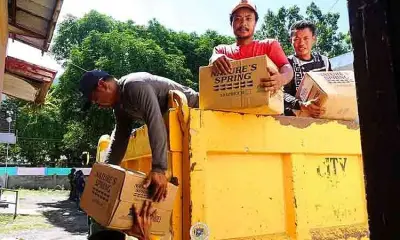
The consequences of these failures were measured in human suffering. Many residents endured nearly a full day without food as floodwaters trapped them in their homes. Rescue teams, critically short on lifeboats, could only evacuate a few people at a time.
Despite these challenges, emergency responders worked tirelessly, handing out canned goods to sustain families while they awaited further assistance. The scenes of desperation raised urgent questions about government priorities and accountability.
How can billions of pesos sit idle or be misused while the people they're meant to protect remain in danger? Why do leaders ignore families shouting from rooftops for help while failing to repair the systems designed to keep them safe?
Filipinos aren't asking for luxury—only for flood walls that hold, drainage systems that work, and leaders who value lives over personal gain. Typhoon Tino may have passed, but more storms will inevitably come. The critical question remains: how many people must suffer, starve, or die before real action begins?