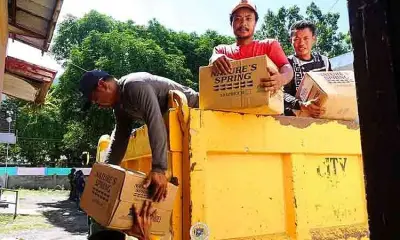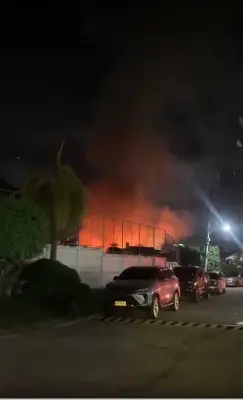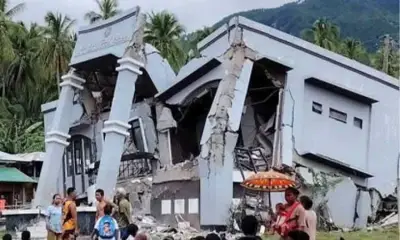
Students across the Visayas region are raising their voices in concern as educational institutions push for an immediate return to face-to-face classes. This move comes while communities are still grappling with the devastating aftermath of Typhoon Tino and a powerful earthquake that struck the area just a month prior.
A Region Struggling to Recover
The consecutive disasters have left a trail of destruction, rendering thousands of families homeless and pushing many to the brink of emotional exhaustion. The process of rebuilding lives and homes is ongoing, making the sudden announcement of class resumptions feel premature and overwhelming for many learners.
Jamaica Javines, a college student from the University of the Visayas, shared her distressing situation. Her family home suffered roof damage, and they endured days without basic utilities like water and electricity. The news of classes restarting so quickly brought her disappointment. She explained that the lingering fear, haunted by the memory of howling winds and the threat of another disaster, makes it incredibly difficult to focus on academics.

Student Testimonies Highlight the Strain
While some schools have shown understanding by postponing academic activities, others have not, creating a patchwork of responses that leaves many students feeling unheard. Aeron Adremisen, a student at the University of Cebu Lapu-Lapu and Mandaue, initially felt stressed and unprepared when his school announced the resumption. With his home situation still unstable, he was not ready to return. His relief was palpable when the administration decided to postpone classes after students voiced their concerns, granting them precious time to recover properly.
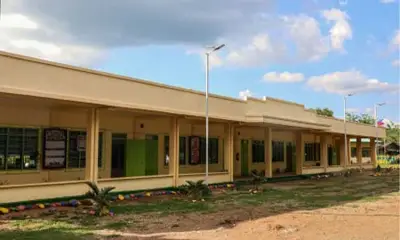
For others, the psychological impact of the typhoon is a heavy burden. Alicelyn Yap from Visayas State University revealed that Typhoon Tino resurrected the trauma of past disasters like Bagyong Odette. She expressed deep disappointment at the swift resumption of classes, pointing out that many are still dealing with power outages, unstable internet connections, and classrooms damaged by both the typhoon and the recent earthquake.
Echoing this sentiment, Katrina Saavedra from the University of San Carlos shared her disappointment. She emphasized that numerous students continue to struggle without basic necessities and live with the anxiety triggered by the dual calamities. She voiced a simple but powerful wish: for school administrators to listen more intently to what their students are enduring.
The Call for Compassion in Education
This situation underscores a critical lesson for educational institutions. Schools have a duty to nurture not only the intellect but also the well-being of their students. In the wake of a calamity, the immediate need for learners is not academic pressure but genuine compassion and support. The most valuable lesson a school can impart in such times is the importance of empathy and truly hearing the voices of its student body, who are, first and foremost, survivors navigating the harsh reality of a disaster's aftermath.