Davao Coastal Cleanup Exposes Severe Plastic Pollution Crisis in Matina Aplaya
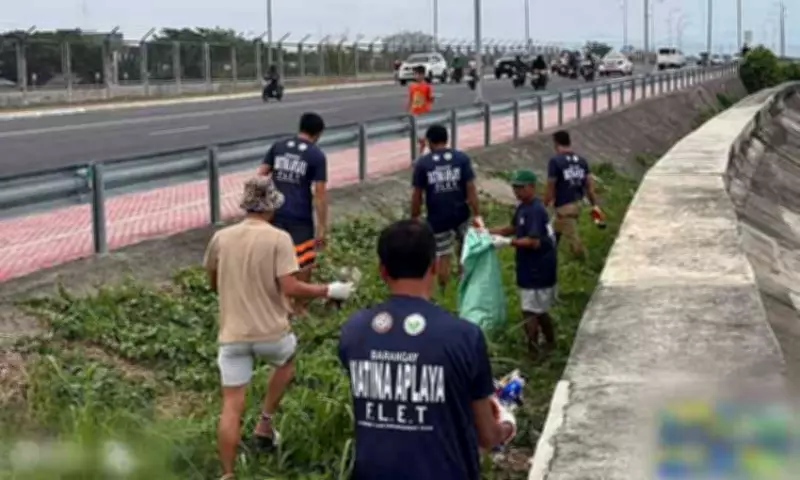
Environmental advocates and dedicated volunteers have sounded the alarm after a recent coastal cleanup along the Davao City Coastal Road revealed a staggering accumulation of trash in the Matina Aplaya area. The activity, organized by local environmental groups, resulted in the collection of approximately 12 sacks of waste, highlighting a pressing issue that threatens the marine ecosystem of Davao Gulf.
Brand Audit Identifies Major Polluters in Coastal Waste
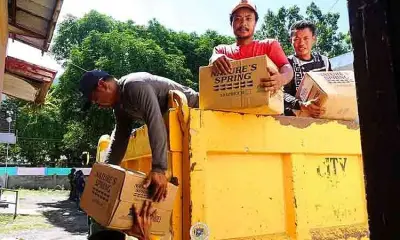
A detailed brand audit conducted during the cleanup provided crucial insights into the sources of the pollution. The audit revealed that the majority of the collected waste consisted of polyethylene terephthalate (PET) bottles, plastic sachets, and glass bottles. Specifically, Nature Spring bottles accounted for 196 PET bottles, making it the top contributor, followed by Coca-Cola with eight PET bottles and Oishi with 73 sachets. Additional significant contributors included Jack ‘n Jill with 158 sachets and C2–Universal Robina with 33 bottles.
This data underscores the role of consumer products in coastal pollution and raises questions about corporate accountability in waste management.

Alarming Scale of Pollution Along 17-Kilometer Coastal Road
Eugene Errol Sugano, president of Bantay Dagat, expressed deep concern over the findings, noting that the 12 sacks of trash were recovered from just the first 100 meters of the cleanup area. He emphasized the daunting challenge ahead, as the entire Davao City Coastal Road stretches for 17 kilometers.
"Very alarming ni, 100 meters pa lang amo na clear, 17 kilometers pa ang tibuok coastal road (This is very alarming. We have only cleared 100 meters so far, while the entire coastal road stretches for 17 kilometers)," Sugano stated. He attributed the growing waste problem to irresponsible behavior by individuals who discard trash while walking, jogging, or picnicking in the area.
Calls for Stricter Enforcement and Corporate Responsibility
In response to the cleanup results, Bantay Dagat has committed to continuing its regular cleanups and brand audits. The group is also advocating for stricter enforcement of Davao City’s local waste management ordinances to deter littering and improve coastal hygiene.
Meanwhile, the Interfacing Development Interventions for Sustainability (IDIS) has renewed its call for the full implementation of the Extended Producer Responsibility (EPR) law. IDIS urged companies whose products dominated the brand audit to take greater accountability for their environmental impact.
In a Facebook post dated January 31, 2026, IDIS appealed to Dabawenyos to adopt zero-waste practices, such as using tumblers and other reusable items when visiting coastal areas. The organization warned that continued neglect could exacerbate marine pollution in Davao Gulf, posing long-term threats to biodiversity and community health.
Collaborative Efforts for a Cleaner Coastline
The Waste and Brand Clean-Up Audit was conducted as part of Davao City’s Zero Waste Month activities, showcasing a collaborative effort among multiple stakeholders. The initiative involved coordination between IDIS, Bantay Dagat–Fisheries Law Enforcement Team (FLET) of Matina Aplaya, the Students Alliance of Environmental Advocates in Davao, and the Public Safety and Security Office (PSSO).
This partnership highlights the importance of community engagement and inter-agency cooperation in addressing environmental challenges. As coastal cleanups become more frequent, they serve as a critical reminder of the urgent need for sustainable waste management practices and greater public awareness to protect Davao’s precious marine resources.