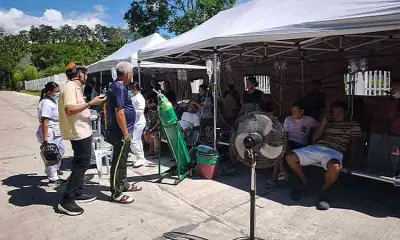
Residents of a northern Cebu barangay have voiced strong opposition to the ongoing operations of a private landfill, citing severe disruptions to their daily lives and potential health risks. During a public hearing on Thursday, January 15, 2026, at the Polog Gymnasium in Purok Riverside, community members from Barangay Polog in Consolacion, Cebu raised alarms over foul odors and major traffic congestion caused by garbage trucks heading to the Asian Energy System Corp. (AESC) facility.
Community Outcry Over Daily Disruptions
The primary grievances centered on the long lines of garbage trucks, originating from both the Cebu City Government and private haulers, which queue along barangay roads. Residents reported that these queues create significant traffic jams and emit unpleasant smells that permeate nearby communities. The situation is particularly acute during morning hours, with trucks reportedly lining up as early as 3 a.m., blocking roads essential for students and workers commuting.
Beyond the traffic and odor, a more serious concern was highlighted: the reported seepage of wastewater, or leachate, from the landfill site. Residents described this as unsanitary and potentially hazardous to public health, questioning the environmental safeguards in place.

Official Opposition and Regulatory Backdrop
The public hearing followed a formal statement from the Barangay Council of Polog opposing the disposal of waste from other municipalities within their jurisdiction. The council emphasized its duty to prioritize public safety, health, and environmental welfare, referencing past landfill incidents elsewhere as cautionary tales.
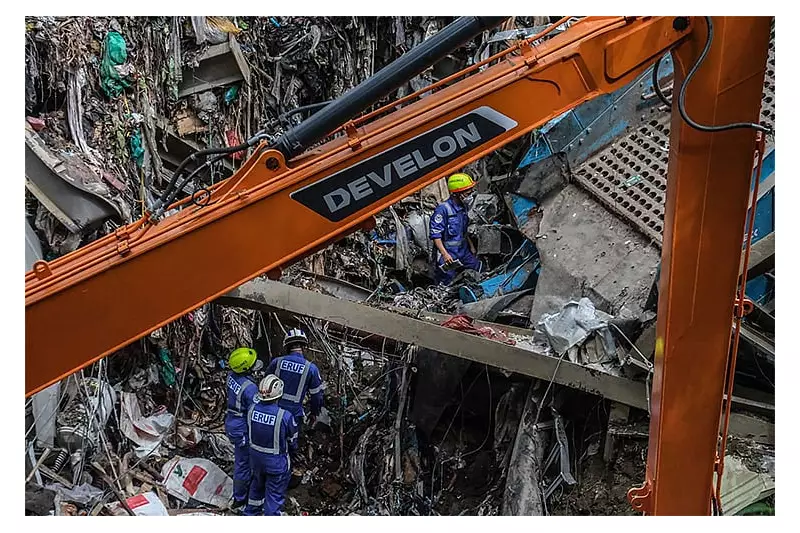
The AESC landfill's increased activity stems from a landslide incident at the Binaliw landfill. Following this, the Department of Environment and Natural Resources (DENR) authorized Cebu City to temporarily dispose of approximately 600 tons of daily waste at the AESC site. Consequently, DENR 7 issued a cease and desist order against the Binaliw landfill operators.
Company Response and Commitments
During the hearing, AESC officials addressed the complaints. On traffic, they stated their facility is ready to accept trucks without delay but attributed the long queues to inspections conducted by the Cebu City Department of Public Services (DPS) before entry. The company expressed willingness to adjust operating schedules, including starting earlier than the current 6 a.m. opening, to alleviate congestion before peak hours.
Regarding sanitation, AESC committed to enforcing stricter protocols. These include ensuring all garbage trucks are properly covered and that vehicles are washed or sanitized before exiting the facility to minimize odors and spills on public roads.
On the critical leachate issue, the company acknowledged the problem. They stated that rehabilitation efforts have begun, involving recycling and redirecting wastewater back into active landfill cells. The firm is also constructing additional treatment ponds to prevent untreated discharge, pledging to resolve these water-related issues within a two- to three-month "rush" rehabilitation period.
Barangay Officials Demand Accountability and Action
Barangay officials made it clear that temporary fixes are insufficient. They vowed to forward all concerns to relevant agencies and monitor compliance closely. Officials demanded transparency, requesting copies of the company's Environmental Compliance Certificate, discharge permits, and other clearances. They also raised the issue of delayed financial shares owed to the host barangay.
Asserting their primary right to a clean and healthy environment, barangay leaders emphasized that the well-being of Polog residents is non-negotiable. The community's stance signals a firm demand for lasting solutions and strict enforcement of environmental regulations moving forward.