From Floods to Landslide: The Unseen Chain of Disaster
In November 2025, Typhoon Tino unleashed devastating flash floods upon Cebu City. On January 8, 2026, a massive landslide struck the city's landfill in Barangay Binaliw, operated by Prime Integrated Waste Solutions Inc. While these two tragedies seem separate at first glance, a closer look reveals a potential and troubling connection rooted in the aftermath of the storm.
The Timeline of Tragedy and Mounting Waste
The sequence of events is critical. The flash floods occurred on November 4, 2025, submerging homes and destroying belongings. The landfill collapse followed over two months later, on Thursday, January 8, 2026. In the intervening weeks, Cebu City faced an extraordinary challenge: the disposal of thousands of tons of unique disaster debris.
Official investigations into the landfill's failure are pending as rescue operations prioritize saving lives. However, Mayor Nestor Archival had previously highlighted the severe congestion at the Binaliw site, a crisis that was significantly aggravated after November 4. The city lacks a formal report on the exact volume of garbage hauled from flood-ravaged homes to the landfill, but the surge was undeniable.

The Unique and Heavy Burden of Flood Debris
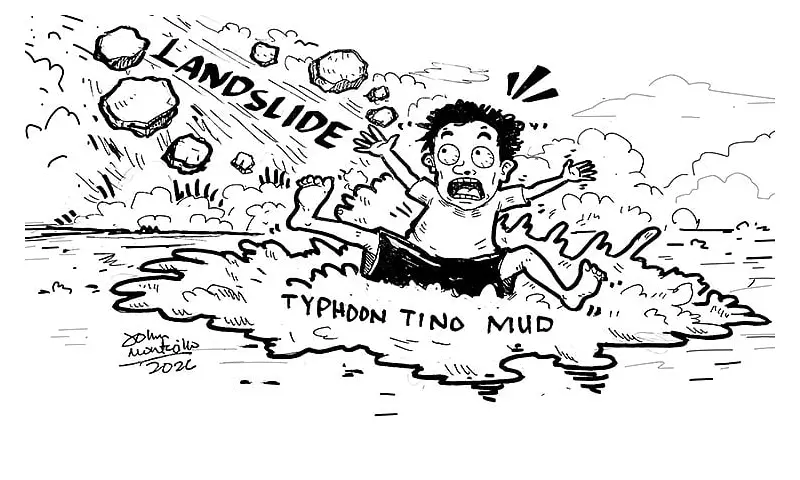
Disaster waste is not ordinary trash. As experienced by flood victims, the mud carried by Tino was heavy, tenacious, and full of organic material. It wasn't just dirt; it contained roots, plants, and sediment from upstream, giving it a distinct, earthy smell and making it incredibly difficult to remove.
Cleaning was a battle. Items needed to be scrubbed multiple times, and white fabrics were permanently stained. This debris, once collected, presented a specific problem for waste management:
- It was waterlogged and extremely heavy, increasing the weight load on disposal sites.
- It was a unstable mix of organic matter, construction materials, and ruined household goods.
- It arrived in massive, rapid volumes, overwhelming the standard collection and processing systems.
This sudden, intense influx tested the limits of a landfill already struggling with years of waste segregation issues and over-dependence on a single disposal site.
A City's Preparedness Called into Question
The twin disasters expose systemic vulnerabilities. The flash floods revealed weaknesses in Cebu's drainage and upland development policies. Now, the landfill collapse raises urgent questions about the city's preparedness for the waste legacy of increasingly frequent and severe weather events.
In both the floods and the landfill failure, warning signs were present long before catastrophe struck. The conversation about accountability and resilient infrastructure, unfortunately, often begins only after lives are lost and property is destroyed.
Typhoon Tino's impact did not end when its floodwaters receded. Its consequences resurfaced, quite literally, in the collapsed slopes of the Binaliw landfill, forcing a reckoning with how cities manage the full lifecycle of a disaster's aftermath.