The Cebu City government is moving forward with plans to borrow P360 million to construct a waste and materials recovery facility (MRF) at the North Reclamation Area (NRA) in Barangay Mabolo. Officials hope the project will help reduce the city's skyrocketing garbage disposal costs following the closure of the Binaliw landfill earlier this year.
Garbage Crisis Worsens After Landfill Collapse
The city's waste management situation deteriorated dramatically after a deadly landfill collapse on January 8 in Barangay Binaliw, which killed 35 workers and later claimed the life of a rescuer. Environmental regulators subsequently ordered the shutdown of the facility operated by Prime Integrated Waste Solutions Inc.
With the Binaliw landfill closed, the city was forced to haul garbage over 50 kilometers to Aloguinsan, causing disposal costs to spike from approximately P1,100 per ton to P3,906 per ton. As a temporary measure, the city converted Pond A at the South Road Properties (SRP) into a transfer station, drawing complaints from nearby residents over odor and environmental concerns.

Inside the P360-Million Plan
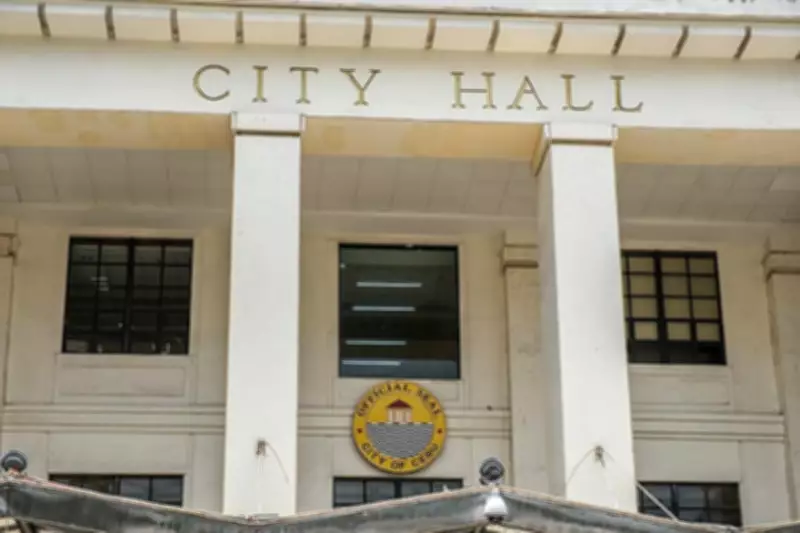
During the Cebu City Council session on May 26, 2026, Vice Mayor Tomas Osmeña announced that the Land Bank of the Philippines (LBP) had granted conditional approval for the P360 million loan. The specific terms and conditions of the loan were not immediately disclosed.
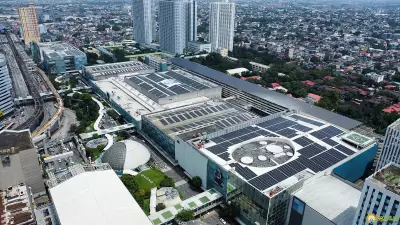
The loan will fund the construction of the MRF at the NRA in Barangay Mabolo. The facility will include two waste processing machines designed to reduce the city's dependence on private landfills and lower hauling expenses. However, city officials acknowledged that technical questions remain, particularly whether the machines can process Cebu City's estimated 600 to 700 tons of daily garbage.
While similar technology is already in use in Malolos City in Bulacan Province and in Lapu-Lapu City, Cebu City staff have not yet completed formal evaluations for a project of this scale. Even if the facility cannot handle all of the city's daily trash, Vice Mayor Osmeña noted that reducing the total volume sent to distant dumps would still result in significant savings for the local government. It remains unclear what will happen to the temporary transfer station at the SRP once the new facility becomes operational.
Questions Over Transparency and Next Steps
The loan proposal has sparked debates in the City Council regarding transparency and the city's long-term waste management strategy. This comes as the Department of Environment and Natural Resources has partially lifted its shutdown order on the Binaliw landfill, allowing limited operations to resume.
Councilor Joel Garganera questioned the reopening process and called for clearer safeguards before the landfill resumes full operations. He also noted that Tuesday's session was the first time he learned about the proposed Land Bank loan. Garganera emphasized that the city still needs to determine the processing capacity of the proposed facility.
"But as to how many tons this technology can process on a daily basis, we don't know yet. By the way, Cebu City produces at least 600 tons a day," Garganera said.
What's Next?
Cebu City remains under a State of Solid Waste Management Emergency declared by Mayor Nestor Archival. A special task force is enforcing strict waste segregation and exploring alternative disposal sites. However, the city faces a race against time. Even if the loan is approved, construction of the Mabolo facility will take time. Until then, taxpayers will continue to fund expensive hauling trips to Aloguinsan at P3,906 per ton, and residents near the SRP transfer station will have to endure the foul odor as the city searches for a permanent waste solution.