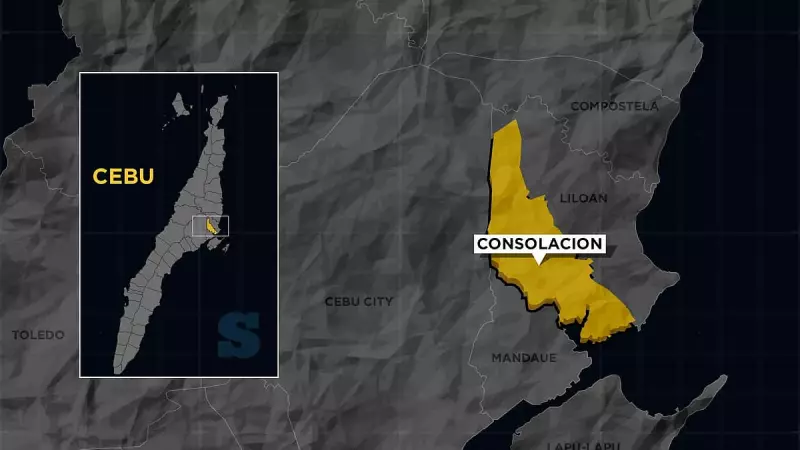
Cebu's Consolacion Landfill Faces Imminent 'Catastrophic Overload' Crisis
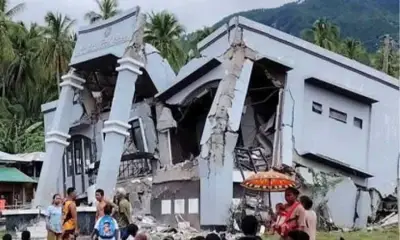
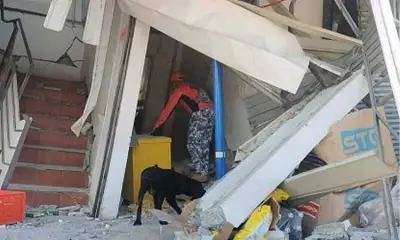
The Cebu Electricity Rights Advocates (Cera) has raised a serious alarm regarding the deteriorating condition of the Consolacion landfill, which they claim is dangerously close to entering a state of "catastrophic overload" if the current volume of waste disposal continues unchecked. According to Cera Convenor Nathaniel Chua, following the tragic landslide at the Binaliw landfill on January 8, 2026, it has become clear that the situation in Consolacion is equally precarious. The facility is projected to potentially reach its maximum capacity as early as mid-2026, heightening concerns over environmental and structural stability.
Mounting Waste and Diverted Trash Intensify Risks
Currently, more than 1,000 tons of waste per day from Cebu City, Mandaue City, and Lapu-Lapu City are being diverted to the Consolacion landfill. This influx has prompted Cera to issue a stark warning that the landfill is rapidly approaching a "danger zone" and could face similar geotechnical instability that led to the Binaliw tragedy. The group emphasizes that Metro Cebu is now confronting a dual crisis: a potential environmental collapse due to excessive waste and a severe electricity shortage, with the waste crisis being tightly interlinked with the province's energy woes.
Energy Crisis and Power Grid Vulnerabilities
Cera has highlighted that Cebu's power reserve consistently falls below the 200-megawatt safety buffer, leaving the power grid highly susceptible to disruptions. While Waste-to-Energy (WTE) technology has been promoted as a solution to both waste and energy problems, the group cautions that WTE should only be viewed as a supplementary power source and not a replacement for reliable baseload energy sources. Furthermore, due to the current waste volume, high landfill layers, and excessive moisture saturation from recent rains, the risk of landslides and structural failure at the Consolacion site has significantly increased.

Call for Urgent Government Action
Cera underscores that robust, 24/7 baseload power is critical for sustaining Cebu's economic growth in 2026. They argue that relying on "imported" electricity via submarine cables places the province at risk of frequent "Yellow Alerts" and grid stability issues. In response, Cera is urgently calling on the Department of Energy (DOE) to fast-track the construction of baseload power plants with capacities of 100 megawatts or higher, to be located directly on Cebu Island. This move aims to establish a resilient "spine" for the province's power grid and mitigate the looming threats.
Potential for Disaster Without Immediate Measures
Without swift and concrete action, Cera warns that the Consolacion landfill could follow the same tragic path as Binaliw, posing a threat that the people of Metro Cebu should not have to endure. The group stresses the need for comprehensive strategies to address both waste management and energy security to prevent further environmental and humanitarian crises.