Mandaue Officials Express Optimism for Binaliw Landfill Reopening Before March Deadline
Officials from Mandaue City have voiced cautious optimism regarding the potential resumption of operations at the Barangay Binaliw landfill in Cebu City, with a target date set before March. This follows firm commitments made by the facility's operator to comply with stringent environmental requirements mandated by the Department of Environment and Natural Resources (DENR).
Operator Given Three-Month Compliance Window
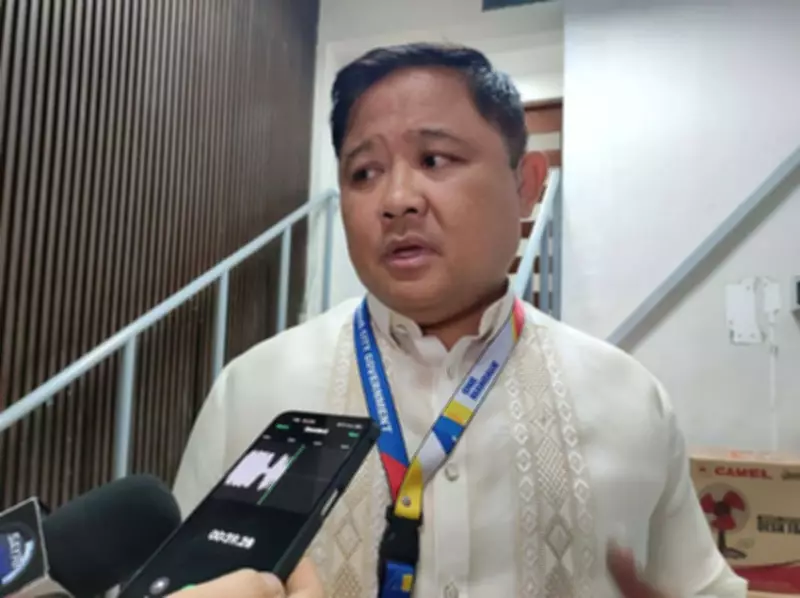
Mandaue City Councilor Carlo Fortuna provided detailed insights into the ongoing discussions. He revealed that Prime Integrated Waste Solutions Inc. (PWS), the company managing the Binaliw landfill, was granted a three-month period by the DENR to achieve full compliance with established standards.
"Prime is the entity responsible for the Barangay Binaliw landfill in Cebu City, and the central focus of our dialogue was to facilitate the resumption of their operations," Fortuna stated. "The DENR provided a timeline extending until March, but the company has committed to meeting all necessary requirements ahead of that deadline."

Critical Issues: Wastewater and Landfill Lifespan
Councilor Fortuna identified wastewater disposal as the most critical environmental issue currently being addressed. Proper management is deemed essential to prevent contamination of surrounding ecosystems.
"Although a treatment facility is already in place, the operator acknowledged that enhancements are required due to the substantial volume of waste," he explained. "The primary objective is to avert any potential groundwater contamination, which is a serious environmental concern."
Additional concerns were raised regarding the definitive operational lifespan of the landfill facility. Fortuna noted that the operator could not provide a clear, categorical timeline for its longevity.
"When inquired about the landfill's remaining lifespan, a definitive answer was not forthcoming," Fortuna said. "Historically, the site functioned as a landfill, and it is now undergoing a transition toward becoming a materials recovery facility."
According to the councilor, Prime has taken proactive steps by reducing the volume of waste directed to the landfill and investing in additional equipment to prolong its usable life.
"The company has made significant investments in new equipment since last year, specifically aimed at extending the landfill's operational capacity," he added.
Regulatory and Operational Challenges
A significant regulatory hurdle was highlighted concerning the landfill's Environmental Compliance Certificate (ECC), which is currently valid only until 2025. This expiration raises immediate questions about the facility's legal authority to continue operations.
"This matter requires urgent clarification," Fortuna emphasized. "If the ECC expires in 2025, the operator must secure a new certificate to legally maintain landfill operations."
Operational practices were also scrutinized during the discussions. Fortuna pointed out that improper waste piling methods, particularly the creation of large, mountainous trash mounds, were flagged as a serious concern.
"The slope and the methodology of waste accumulation were directly addressed," he said. "A properly designed landfill involves excavation, waste deposition, and subsequent covering with soil. Constructing a mountain of trash is not an acceptable or safe practice."
In response, Prime attributed the piled waste to operations that occurred prior to the company's assumption of management responsibilities for the site. However, Councilor Fortuna found this justification insufficient.
"The explanation cited accumulated waste from the pre-takeover period. Nevertheless, this does not adequately justify continuing such a hazardous design, which poses significant risks," he asserted.
Future Directions and Contingency Planning
Despite these challenges, Fortuna noted that the landfill encompasses a substantial area of 17 hectares. The operator's current strategy emphasizes waste volume reduction through enhanced segregation and the development of the materials recovery facility.

"The focus is increasingly on segregation and the materials recovery process to minimize the volume of waste ultimately destined for the landfill," he explained.
Final decisions regarding the landfill's future will hinge on the DENR's forthcoming assessment. Mandaue City officials maintain a posture of cautious optimism based on the operator's commitments.
"Thus far, given their commitments and assurances, we are satisfied with the explanations provided. However, this does not preclude us from exploring alternative solutions and planning for future scenarios," Fortuna stated.
He strongly emphasized the necessity for Mandaue City to develop a diversified portfolio of waste management solutions, reducing dependency on any single facility.
"Our goal is to engage multiple solution providers whenever possible," Fortuna concluded. "Relying solely on one landfill is not a sustainable strategy. We are open to considering other proposals, including waste-to-energy technologies, to ensure a robust and resilient waste management system for the city."