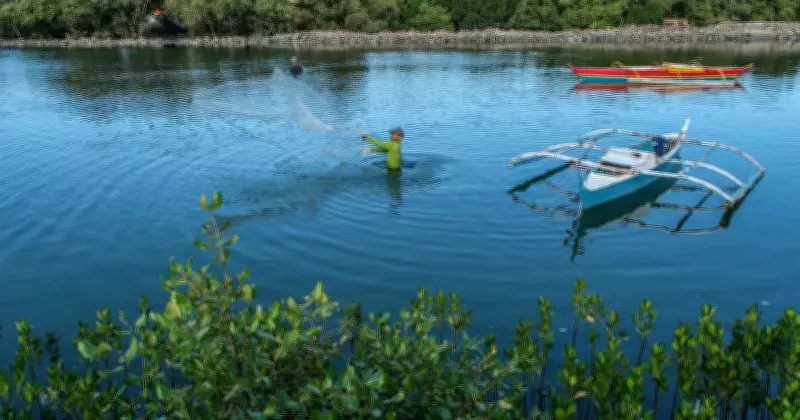
Along the back roads of South Road Properties in Cebu City, clusters of mangroves quietly thrive near Inayawan and Mambaling, even beside the once-infamous Inayawan Sanitary Landfill, now closed and gradually transforming. Where mountains of waste once stood, patches of grass, shrubs and young trees now soften the landscape. Along the shoreline, mangroves—many planted through the efforts of government workers, volunteers and environmental groups—have taken root, slowly restoring a coastal ecosystem long disturbed.
Natural Protectors and Habitat Providers
These mangroves serve as natural protectors, helping reduce erosion and filter pollutants from the water. Their roots provide shelter for fish, crabs and shellfish, supporting small-scale fishing and gathering among nearby residents. The area has also begun to attract migratory birds, drawn by the growing abundance of food within the habitat. The recovery is a testament to the resilience of nature when given a chance to heal.
Ongoing Challenges and Signs of Recovery
Yet signs of the past and present remain. In some areas, scattered trash is still caught in the roots or washed ashore by the tides, a reminder of ongoing challenges in waste management and coastal protection. Even so, the story of this area is one of gradual recovery. Beside a former landfill now turning green and amid lingering debris, the mangroves continue to grow, sustaining life, supporting livelihoods, and showing that renewal is possible even in unlikely places. The transformation from a waste dump to a thriving mangrove patch highlights the importance of continued conservation efforts and community involvement.