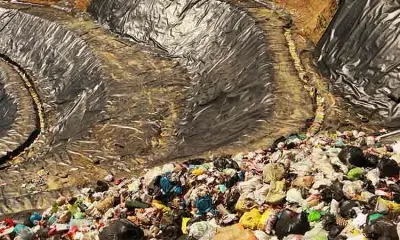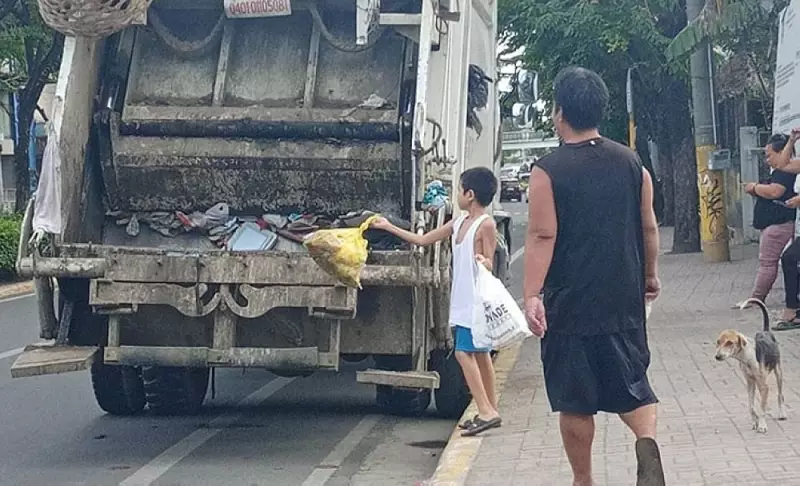
Cebu City is set to take a significant step in its solid waste management with the launch of a gradual waste segregation program across selected barangays starting in January 2026. This initiative, ordered by Mayor Nestor Archival, aims to classify waste at the source into biodegradable and non-biodegradable categories.
Rollout Plan and Legal Basis
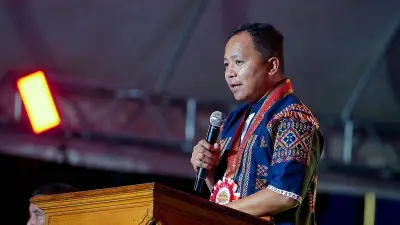
Catalino "Titing" Rosales of the Cebu City Environment and Natural Resources Office (CCENRO) revealed the plan during the Phinla PH 2025 Accomplishment Report held at the Noble Hotel Cebu on Thursday, December 17, 2025. The program will be implemented initially in three barangays in the south district and three in the north.
The pilot areas are Inayawan, Pardo, and Cogon in the south, along with Mabolo, Kasambagan, and Barangay Luz in the north. The city's action is firmly grounded in City Ordinance 2031, known as the Segregation at Source ordinance, which mandates the separation of waste from households and establishments.

Targeting Major Cost Savings
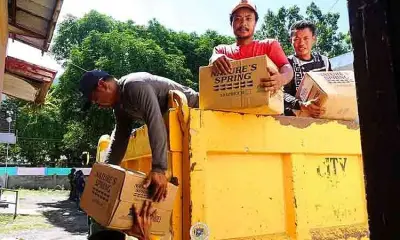
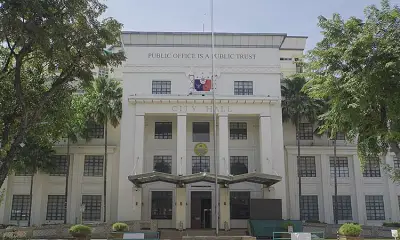
A primary driver for the segregation push is the substantial financial burden of waste management on the city. Barangay Luz Councilor Nida Cabrera, a member of the city's Solid Waste Management Board (SWMB), disclosed during the event that City Hall spends nearly 700 million pesos every year on managing the city's garbage.
Rosales emphasized that by starting the systematic separation of waste, the city expects to see a significant reduction in these annual expenses. Proper segregation is seen as a way to enhance recycling, reduce the volume of waste going to disposal sites, and improve overall efficiency.
The Role of the Phinla Program
The announcement was made at an event for the Phinla program, a collaborative initiative by World Vision and the Ecowaste Coalition. Phinla, which stands for Philippines, Indonesia, and Sri Lanka, focuses on improving the livelihoods of waste resource collectors, individuals who make a living from collecting and selling recyclable materials.
In the Philippines, Phinla operates in four project sites: Mintal in Davao City, Bagong Silang in Quezon City, Kugman in Cagayan de Oro City, and Inayawan in Cebu City. The program's work in supporting the informal waste sector aligns with the city's goal of creating a more structured and sustainable waste management system.
Looking Ahead
The January 2026 start date for the segregation program marks a concrete move by the Archival administration to tackle Cebu City's long-standing garbage challenges. The success of the pilot in the six barangays will be crucial for a potential city-wide expansion. This effort represents a combination of regulatory enforcement, financial pragmatism, and community-based support through programs like Phinla.