Cebu City is gearing up for the full implementation of its strict 'No Segregation, No Collection' policy in February 2026. Mayor Nestor Archival has issued a renewed call to all residents to diligently follow waste segregation rules to avoid having their garbage left uncollected.
Mayor's Meeting with Frontline Workers
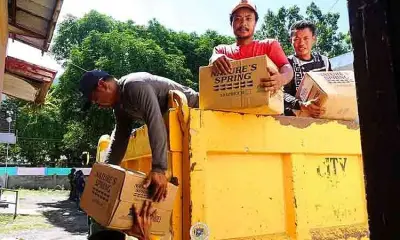
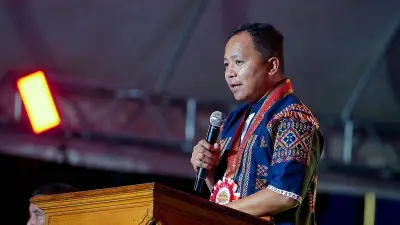
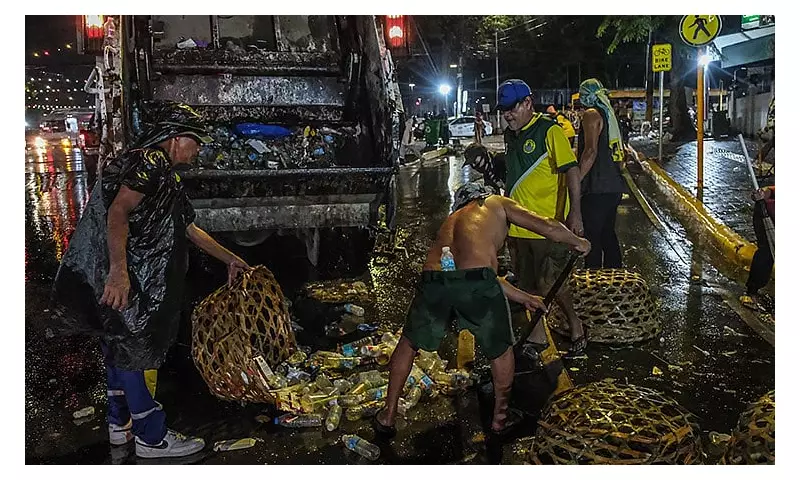
To ensure a smooth rollout, Mayor Archival met with Department of Public Services (DPS) personnel on Saturday, January 3, 2026. He emphasized that close coordination with these frontline workers is the key to consistent and uniform policy enforcement across all barangays.
During the meeting, Archival highlighted the economic potential of proper waste management. He explained that recyclable materials can be sold and reused, extracting value from what was once considered mere trash.

Information Drive and Strict Enforcement Timeline
Under the new directive, DPS personnel are ordered to actively disseminate information in their assigned barangays, down to the household level. The goal is to ensure every resident knows that mixed waste—containing both biodegradable and non-biodegradable items—will no longer be accepted once full implementation begins.
The city government will focus on its information campaign from January 1 to January 15, 2026. This period is crucial for public awareness before the rules are strictly applied.
Come February 2026, the city will start the stringent enforcement of "no segregation, no collection" across the entire metropolis.
Where Does the Segregated Waste Go?
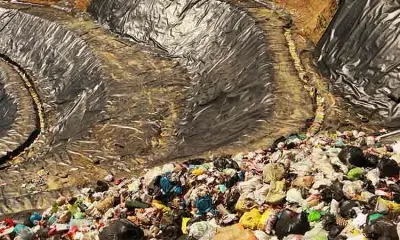
Mayor Archival clarified the disposal process for segregated waste. Biodegradable waste will be taken to a landfill for processing into compost. Meanwhile, non-biodegradable recyclables will be sold, providing an additional revenue stream and promoting a circular economy.
Call for Household-Level Composting
Emma Ramas, a member of the Solid Waste Management Board, offered a perspective for further improvement. She suggested that biodegradable waste management should ideally start at the household level.
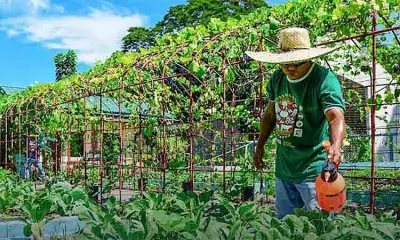
"In my personal opinion, biodegradable waste should no longer be collected. Each household should manage its own biodegradable waste, using it to grow food or even earn money from it," Ramas stated. This approach could significantly reduce the volume of waste needing city collection and processing.
The city's move underscores a broader shift towards sustainable waste management, placing responsibility on residents to be active participants in keeping Cebu City clean.