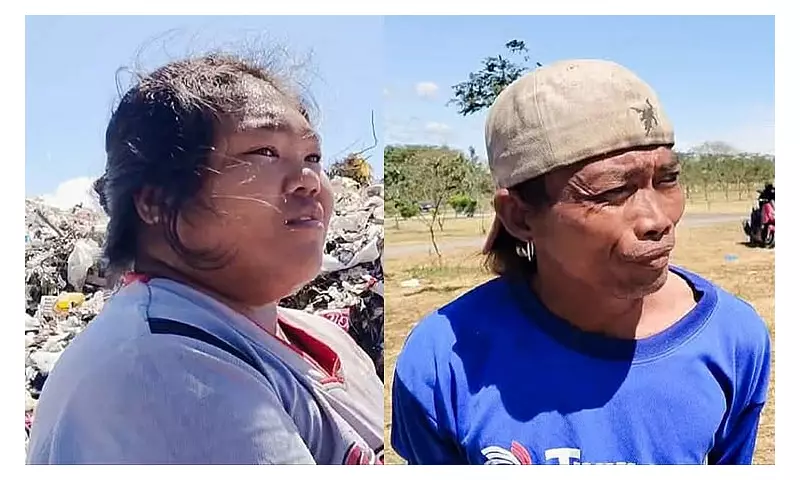
Mandaue City Residents Transform Waste into Sustainable Income Source
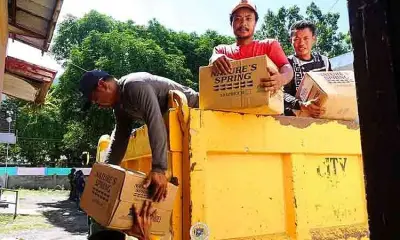
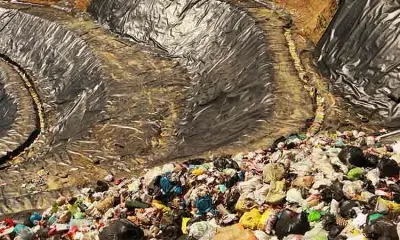
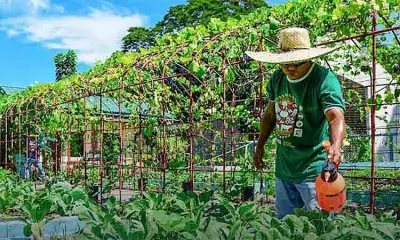
In Mandaue City, a growing number of individuals are finding economic opportunity in an unexpected place: the local waste stream. By collecting and selling recyclable materials at a temporary dumpsite and the Barangay Umapad Mandaue Green Learning Park (MGLP), these residents have turned environmental efforts into a practical livelihood solution for those facing limited employment options.
Plastic Items Emerge as Most Valuable Commodity
Gina Caranggi, one of the regular collectors, explains that plastic materials have become particularly lucrative in this informal economy. "Plastic items are easier to sell, similar to mobile phones, which can also be resold easily. We can find these materials quickly, but most of what I collect are plastics," Caranggi shared. Her typical haul includes various plastic household items such as bottles, basins, and buckets, which she gathers systematically throughout her workday.
The pricing structure for these materials reveals interesting market dynamics:

- Plastic items command P5 per kilogram
- Cartons sell for P3 per kilogram
- Mineral water bottles fetch P8 per kilogram
Daily Earnings Reflect Collection Efforts
Caranggi's income varies significantly based on her daily collection volume and time investment. "This temporary dumpsite has been a big help. There are many people here who are unemployed, and through the dumpsite, they are able to earn money," she emphasized. On productive days, she can earn as much as P500 from her recycling efforts, which she considers substantial for a single day's work. Her typical schedule runs from 9 a.m. to 5 p.m., with occasional shifts to the Mandaue Green Learning Park depending on material availability.
Modest But Meaningful Economic Impact
Another recycler, Joy Epe, echoes similar experiences with the recycling economy. "There are buyers for cartons and gallons. The amount we earn really depends on how much we are able to collect," Epe noted. She specifically mentioned that plastic gallons from cleaning products like bleach sell for P5 per kilogram, while cartons maintain their P3 per kilogram price point.
Epe's earnings demonstrate the variable nature of this work, with daily income ranging around P200 on average days and increasing when more materials become available. "It really depends on what we can gather. There are days when the earnings are higher, and there are also days when they are lower," she explained. Despite the fluctuating income, Epe emphasized the activity's importance: "The income may be small, but it still helps us survive. We asked permission to collect recyclables here at the Mandaue Green Learning Park so we could earn money."
Environmental and Economic Benefits Converge
The experiences of Caranggi, Epe, and their fellow recyclers illustrate how waste segregation and recycling initiatives serve dual purposes in Mandaue City. Beyond their obvious environmental benefits, these sites have evolved into crucial informal economic hubs that provide livelihood opportunities for residents who depend on daily earnings to meet basic needs. This symbiotic relationship between waste management and economic survival demonstrates innovative adaptation within communities facing employment challenges.
As these recycling activities continue to develop, they represent a grassroots approach to both environmental sustainability and economic resilience, showing how local initiatives can address multiple community needs simultaneously.