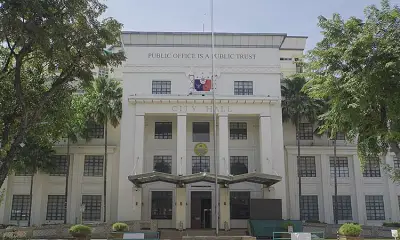
The municipality of Sta. Ana is now saving more than ₱700,000 every month following a major overhaul of its waste management system. This significant financial and environmental achievement comes from enhanced operations at its Materials Recovery Facility (MRF) and strict waste segregation practices.
From Illegal Dumpsite to Efficient MRF
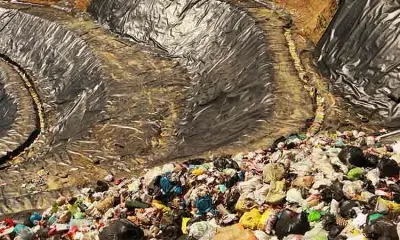
According to the Municipal Environment and Natural Resources Office (MENRO), the current system marks a dramatic shift from the past. The former open dumpsite located in Barangay San Nicolas was shut down by the Department of Environment and Natural Resources (DENR) in early 2021 for violating Republic Act 9003, the Ecological Solid Waste Management Act.
The DENR issued a cease-and-desist order, compelling the local government to implement a full closure and rehabilitation plan. This action paved the way for the development of a compliant and functional MRF that now processes all garbage collected from the town's barangays.

How the New System Works and Saves Money
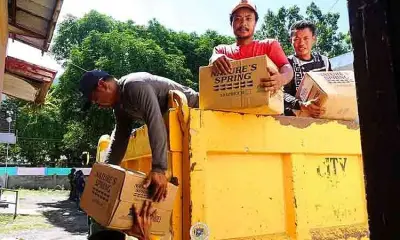
Municipal Environment and Natural Resources Officer Dolf Mallari detailed the efficient process now in place. Upon arrival at the MRF, waste is immediately sorted into four streams: biodegradable, recyclable, residual, and materials for upcycling.
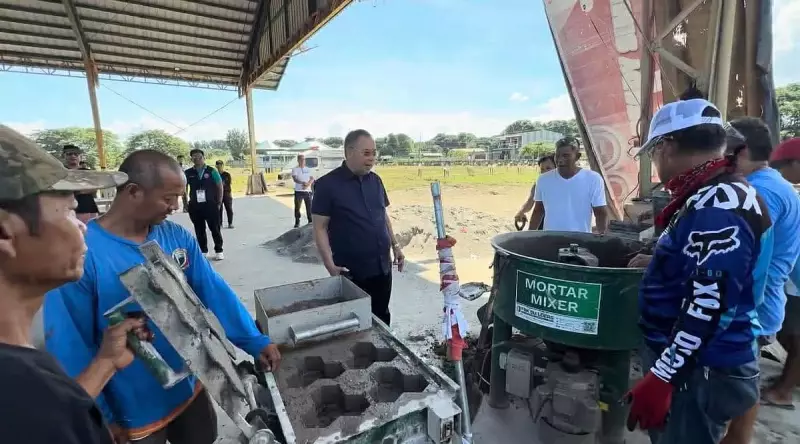
This meticulous segregation drastically reduces the volume destined for landfills. Biodegradable waste is converted into organic fertilizer. Recyclable materials are sold, generating additional income. Even non-recyclable items like plastic bottles are given a new life, being transformed into pavement bricks for local infrastructure projects.
Only residual waste that cannot be processed is now sent to sanitary landfills. MENRO data reveals the stunning impact of this change. Previously, the LGU transported an average of 34 truckloads of garbage to landfills monthly at a cost of roughly ₱925,000. That number has plummeted to just seven truckloads per month, slashing disposal expenses to around ₱200,000.
Leadership and Future Plans for Sustainability
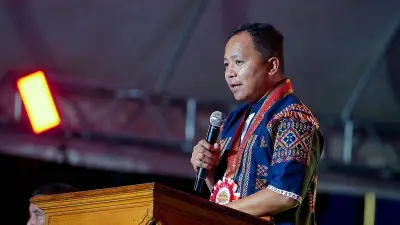
Mayor Dinan Labung emphasized that tackling the municipality's waste issues was a key priority even before he took office. He directed the implementation of programs focused on improving garbage collection and processing facilities.
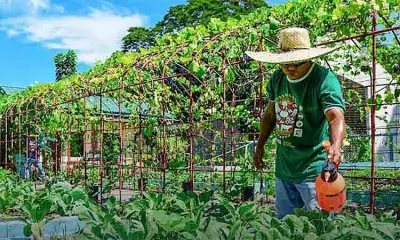
The mayor confirmed that development at the Sta. Ana MRF is ongoing, with further upgrades planned. The facility has already been transformed into a more productive space, featuring gardens and livestock areas. The local government notes that these initiatives not only benefit the environment and municipal coffers but also improve the conditions for garbage collectors and the quality of life for nearby residents.
The success in Sta. Ana demonstrates how investing in proper ecological solid waste management can lead to substantial economic savings and environmental protection, setting a benchmark for other local governments in the Philippines.