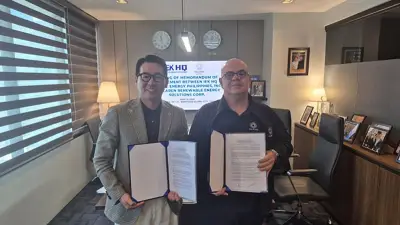
BACOLOD CITY – A significant legislative move aims to explore how a global food philosophy can shape the future of the Visayas region. Bacolod City Lone District Representative Alfredo Abelardo Benitez has formally filed a resolution directing the Committee on Visayas Development to conduct a comprehensive inquiry into the Slow Food Movement in Negros Occidental.
Assessing a Model for Sustainable Growth
The primary objective of the inquiry is to assess the movement's potential contribution to promoting sustainable development across the Visayas. Benitez highlighted that the recent hosting of the first-ever Terra Madre Asia and Pacific from November 19 to 23, 2025 in Bacolod City and Negros Occidental, organized by the Slow Food Movement, showcased the area's emerging leadership in this arena.
He described the Slow Food Movement as a worldwide grassroots initiative that champions good, clean, and fair food. This is achieved by emphasizing local and seasonal ingredients, preserving agricultural biodiversity, backing small-scale producers, and advocating for ethical farming practices. The lawmaker positioned it as a growing countermeasure to the negative impacts of fast food culture and industrial agriculture.

The Rise of a Slow Food Hub
Benitez pointed to the active Slow Food Negros Organization as a catalyst for growth. This group spearheads the Negros Island Slow Food Earth Market, a community-based platform that promotes locally produced, sustainable, and culturally rooted food products. "There is a growing Slow Food community in the Negros Island Region," Benitez stated, adding that Bacolod City is developing into a major Slow Food hub in Asia.
The resolution argues that the core principles of the movement align closely with sustainable development policy goals. These include promoting environmentally sound practices, strengthening local economies, and preserving cultural heritage. "Understanding the potential of the Slow Food Movement in Negros Occidental could provide valuable insights and policy recommendations for advancing food security, environmental sustainability, and inclusive economic growth in the Visayas Region," Benitez explained.
Path Forward for Government Support
In filing the resolution, Benitez emphasized that it is now imperative for the Committee on Visayas Development to examine the merits of this movement. The committee is tasked to evaluate its applicability and explore concrete mechanisms through which both national and local government units can provide enabling support.
This legislative step signals a formal recognition of alternative economic and agricultural models. It seeks to translate the success of a local movement into actionable strategies for regional progress, ensuring that the principles of sustainability and community resilience are integrated into the Visayas' development roadmap.