Mandaue Green Learning Park Serves as Income Source Through Waste Recovery
In Mandaue City, a growing number of individuals have discovered a sustainable daily livelihood by engaging in the collection and sale of non-biodegradable, recyclable materials. This activity is centered around a temporary dumpsite located within the Mandaue Green Learning Park (MGLP) in Barangay Umapad. The initiative vividly demonstrates how waste recovery can evolve into a crucial economic resource for residents who face limited employment opportunities in the area.
Plastic Waste Emerges as Top Seller for Collectors
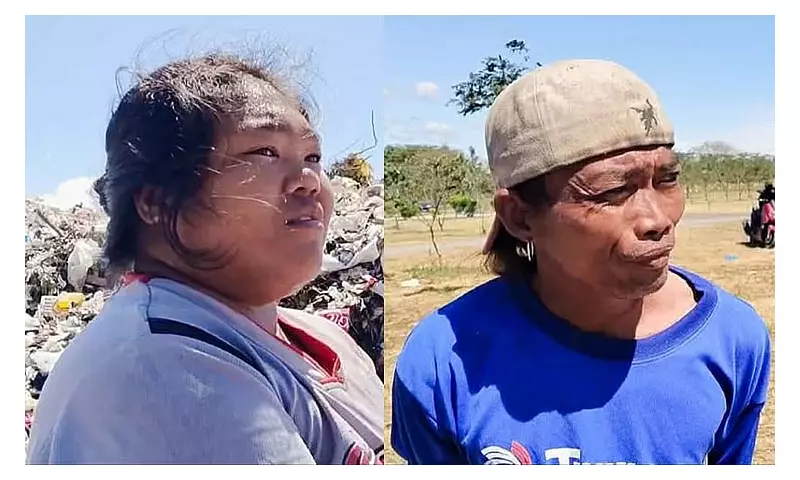
Gina Caranggi, one of the active recyclables collectors, shared insights into the market dynamics of this informal sector. She emphasized that plastic waste stands out as the easiest material to sell due to its high demand among buyers and relative abundance in the environment. "Plastic is easier to sell, similar to how cellphones are quickly resold. We can find it readily, but most of what I collect are plastics," Caranggi explained. Her typical haul includes various plastic items such as bottles, basins, buckets, and other household plastic goods.
At local junk shops, these materials are weighed and priced accordingly, with plastic fetching five pesos per kilogram and cardboard valued at three pesos per kilogram. Caranggi highlighted the significant impact of the temporary dumpsite, noting that it has provided substantial assistance not only to her but also to other residents lacking regular employment. "This temporary dumpsite is a big help. Many people here are without jobs, and through this, they can earn money," she added.

Daily Earnings Fluctuate Based on Effort and Time
The daily income for collectors like Caranggi varies depending on the volume of materials gathered and the hours dedicated to the work. On productive days, she can earn up to P500 from a full day's labor, typically collecting from 9 a.m. to 5 p.m. This flexible schedule allows individuals to tailor their efforts to personal circumstances, making it an accessible option for many.
Another collector, Joy Epe, echoed similar experiences, pointing out that materials like cardboard and plastic gallons also have steady buyers, offering modest yet meaningful earnings. For instance, plastic gallons, such as those used for chlorine containers, are bought at five pesos per kilogram, while mineral water bottles command eight pesos per kilogram. Epe acknowledged that while the income might not be substantial, it plays a critical role in meeting daily needs. "The earnings might be small, but they still help us survive. We sought permission to collect recyclables here at Mandaue Green Learning Park to earn some money," she stated.
Similar to Caranggi, Epe's income fluctuates, with some days yielding around 200 pesos and others bringing in more when larger quantities are collected. This variability underscores the informal nature of the work but also its potential to provide a financial lifeline in times of need.
Community Impact and Environmental Benefits
The collective efforts of these residents not only support their livelihoods but also contribute to environmental sustainability by diverting recyclable waste from landfills. The Mandaue Green Learning Park's temporary dumpsite has thus become a dual-purpose facility, fostering economic resilience while promoting waste management practices. As more individuals participate, the community benefits from reduced waste accumulation and enhanced local recycling efforts.
This model showcases how urban spaces can be repurposed to address both social and environmental challenges, offering a blueprint for other cities grappling with similar issues of unemployment and waste disposal.