Cebu's Urban Centers Confront Mounting Garbage Crisis After Landfill Tragedy
The densely populated cities of Lapu-Lapu and Mandaue in Cebu are now grappling with an urgent garbage disposal crisis, as local landfills close or approach full capacity. Officials from both municipalities have issued a stark warning: strict waste segregation has become absolutely critical to alleviate the mounting pressure on waste management systems. This emergency situation intensified dramatically following the permanent closure of the Binaliw landfill in Cebu City, which served as a primary disposal site for multiple local governments until a catastrophic landslide earlier this month.
The Trigger: Binaliw Landfill Tragedy and Its Aftermath
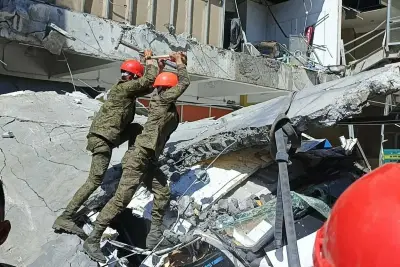
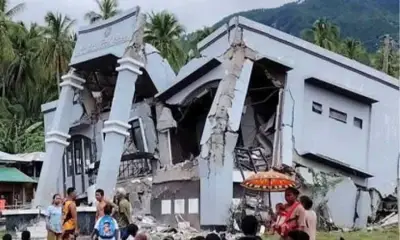
The current garbage crisis traces its origins directly to the Binaliw landfill disaster, a tragic event that claimed 36 lives and forced the immediate shutdown of this essential dumpsite. With Binaliw no longer operational, cities like Lapu-Lapu and Mandaue suddenly found themselves with severely limited accredited disposal options, sparking intense competition for remaining landfill space. The scale of the problem is staggering: Lapu-Lapu City alone generates over 25 tons of garbage daily, while Mandaue City previously dispatched approximately 5,200 tons of waste each month to the now-closed Binaliw facility.
Lapu-Lapu City's Emergency Measures and Temporary Solutions
According to City Administrator Danilo Almendras, Lapu-Lapu City is actively seeking authorization to utilize the landfill in Consolacion, despite reports that this facility is itself nearing maximum capacity. "The Consolacion landfill is almost at full capacity, and with the common problem faced by highly urbanized cities regarding where to dispose of their solid waste, it seems many will be competing to dump there," Almendras stated in a mix of Cebuano and English. While awaiting formal clearance, the city has reactivated its transfer station at the materials recovery facility located in Soong, Barangay Mactan.

The Department of Environment and Natural Resources has conditionally approved this temporary measure, stipulating that only residual waste may be processed and that stringent segregation protocols must be enforced to prevent foul odors and environmental hazards. Mayor Ma. Cynthia Chan has issued a directive ordering all barangays and city offices to fully implement comprehensive waste segregation, meticulously separating biodegradable, recyclable, and residual waste streams. Furthermore, she has urged municipal offices to cease reliance on bottled water and transition to refillable containers, aiming to reduce trash generation at its source. As of Wednesday, January 21, 2026, the transfer station had not yet reached full operational capacity, according to Almendras.
Mandaue City's Search for Sustainable Long-Term Solutions
Mandaue City confronts an even more daunting challenge due to the enormous volume and substantial cost associated with its waste disposal operations. From January to October 2025 alone, the city collected a staggering 53,918.82 tons of residual waste. The financial burden is immense: tipping fees alone cost approximately 65 million pesos annually, while hauling contracts can reach 68 million pesos every three months.
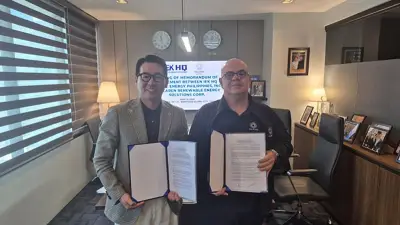
Mayor Thadeo Jovito "Jonkie" Ouano revealed that the city is currently evaluating multiple proposals to address this crisis. One notable offer comes from Aloguinsan, whose Mayor Caesar Ignatius Moreno has formally presented a plan to accept Mandaue's garbage, an option now under serious consideration. Additionally, Ouano confirmed that Val Chiong has invited city officials to inspect a waste-to-energy facility in the City of Naga, a potential solution that could significantly reduce landfill dependence. Mandaue is also examining the feasibility of establishing a similar facility on a 1.5-hectare site at the Mandaue Green Learning Park.
"We are considering all these options and studying what would be the best solution for the City of Mandaue," Ouano emphasized, highlighting the comprehensive approach being undertaken.

The Critical Importance of Enhanced Waste Segregation
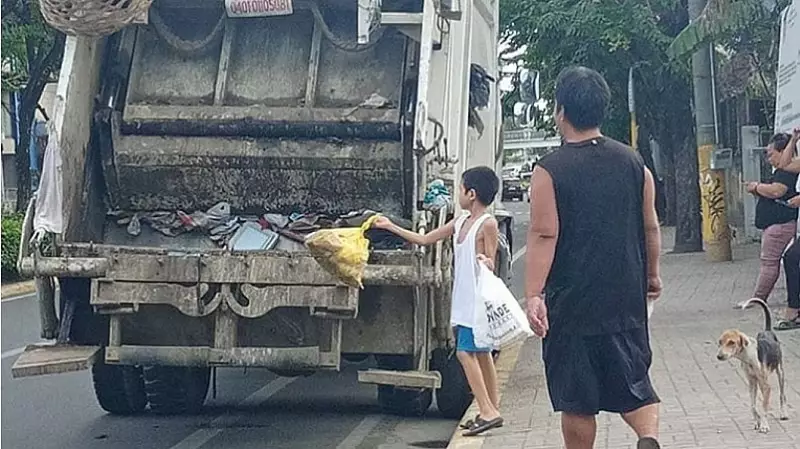
Both cities unanimously agree that rigorous waste segregation represents the cornerstone of any effective crisis management strategy. Properly sorted waste not only substantially reduces hauling expenses but also extends the operational lifespan of disposal sites. "If our waste is properly segregated when collected from the Mandaue Green Learning Park and then transferred to Asian Energy in Consolacion, the cost for the City will be much lower," Ouano explained. Mandaue has issued stern warnings to barangays that segregation regulations will be strictly enforced, with discussions underway regarding incentives for compliant communities, while sanctions remain a final recourse for non-compliance.
Navigating the Path Forward Amidst Uncertainty
For the immediate future, Lapu-Lapu City continues to depend on its reopened transfer station, while Mandaue City utilizes a temporary site in Barangay Umapad. Both municipalities are actively exploring nearer disposal facilities to curtail fuel expenditures and minimize wear on garbage truck fleets, particularly crucial during the challenging rainy season. The most pressing challenge remains identifying safe, legally compliant locations for waste disposal. However, the ultimate test will be whether intensified segregation efforts and the adoption of alternative technologies, such as waste-to-energy plants, can finally resolve Cebu's persistent garbage dilemma before another crisis emerges.