Cebu City's Garbage Crisis: Bad Weather and New Schedule Cause Pile-Ups
Bad weather and a newly implemented rotating schedule are leading to significant garbage accumulation in several barangays across Cebu City, creating major challenges for local leaders as they attempt to manage strict waste disposal limits. The situation has intensified concerns about public health and operational efficiency in the region.
Root Causes of the Waste Management Struggle
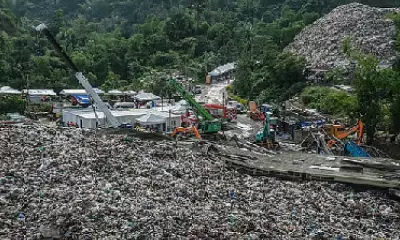
The City Government initiated this rotating schedule following the closure of the Binaliw landfill, which was shut down due to a trash slide incident on January 8, 2026. Currently, Cebu City relies entirely on the privately operated landfill located in Barangay Polog, Consolacion, which has severely limited space. City Councilor Harry Eran explained that the Polog landfill imposes a daily cap of 150 tons of trash, necessitating the alternating collection plan.
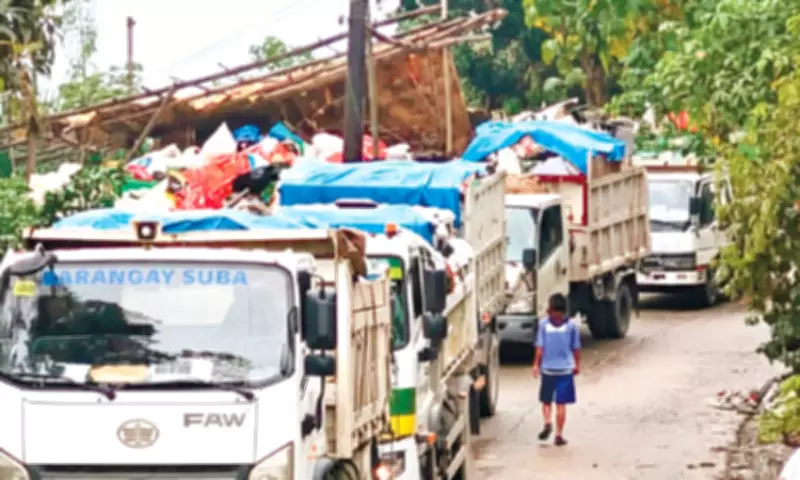
Under this temporary system, 46 barangays in the North District are scheduled to haul waste on Mondays, Wednesdays, and Fridays, while 34 barangays in the South District utilize the remaining days. Mayor Nestor Archival emphasized that this approach is a necessary stopgap measure to handle the reduced dumping capacity while ongoing negotiations continue with Asian Energy, the operator of the Polog landfill. He described the plan as essential for preventing further garbage buildup amid weight restrictions and complaints from neighboring communities.

Local Leaders Voice Concerns Over Missed Schedules
San Nicolas Proper Barangay Captain Clifford Jude Niñal highlighted specific issues, noting that his area is designated for trash collection on Tuesdays, Thursdays, and Saturdays. However, delays have already occurred due to hazardous road conditions caused by heavy rainfall. "Our problem is that our hauling schedule is on Tuesdays and Thursdays. We were not able to haul because the road conditions were too dangerous due to the rain, so we will have to wait until Thursday," Niñal stated, referring to intense rains on February 10 that triggered landslides and made roads slippery.
Niñal expressed hope for a safer disposal site, saying, "We hope we can find another place where we can dump our garbage, one that is safe for our people and for the trucks. We continue to support and pray for the mayor and the Cebu City Government." Similarly, Kinasang-an Barangay Captain Susan Enriquez pointed out that less frequent collections are accelerating trash pile-ups in certain spots, raising health risks, especially in densely populated sitios. She acknowledged the temporary nature of the setup but urged for a swift permanent solution.
Adjustments and Long-Term Solutions in Focus
Despite the difficulties, some local leaders view the rotating schedule as preferable to a complete halt in waste collection. Punta Princesa Barangay Captain Eleno Andales Jr. remarked, "This is better than nothing," acknowledging the plan's imperfections while recognizing its role in maintaining disposal during the crisis.
Inayawan Barangay Captain Kirk Bryan Repollo discussed the need for adaptation, noting that barangays are dependent on the City Government for final waste disposal. "Whether I agree or not, I do not really have a say because we are dependent on the city government for final disposal. All we can do is accept it, support the city leadership, and trust that they will find a solution," he said. Repollo added that the new system has disrupted daily collection routines, forcing operational changes on the ground.
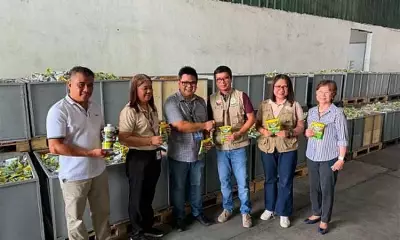
To mitigate the impact, Repollo emphasized pushing for enhanced waste segregation and shredding initiatives to reduce both the frequency of trips to Consolacion and the overall volume of garbage. He mentioned that the barangay acquired a plastic shredder several years ago and received two bioshredders from the Ecowaste Coalition, though they still require space for a materials recovery facility. Repollo suggested that this crisis could serve as a turning point, potentially driving the City to adopt proper waste segregation and explore alternative disposal methods beyond traditional landfills.