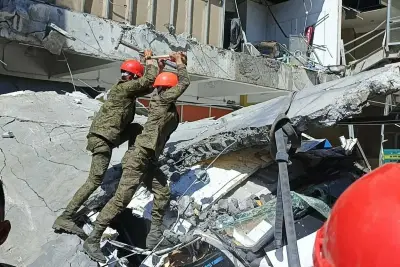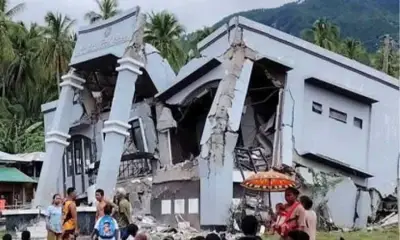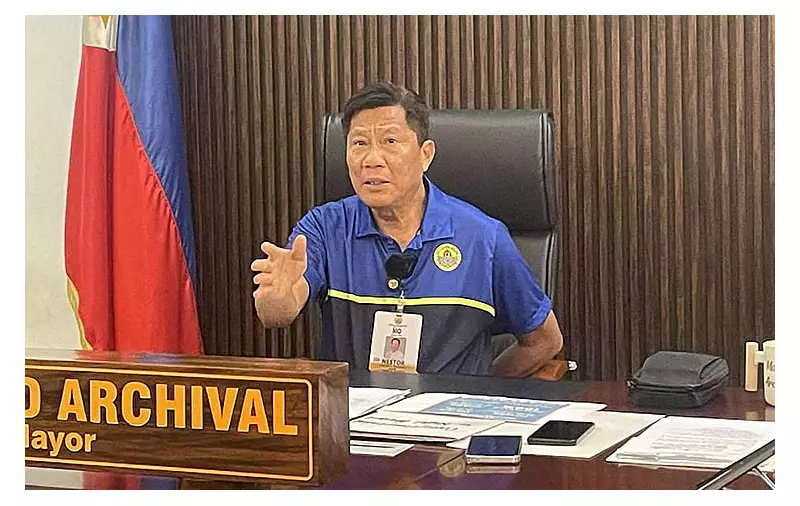
Cebu City Mayor Nestor Archival has firmly rejected adopting waste-to-energy (WTE) technology as a solution to the city's escalating garbage disposal crisis. This decision comes amid intense pressure following the deadly collapse of the Binaliw landfill on January 8, 2026, which caused casualties and left persons missing.
Regulatory Hurdles and Environmental Concerns
Mayor Archival contends that moving forward with WTE is premature without established national safety protocols from the Department of Environment and Natural Resources (DENR). He argues the city cannot rush into complex technological fixes simply due to the pressure of the current crisis.
"We are being pushed to decide fast because of the garbage problem, but local governments cannot just jump into technologies that are still controversial in the Philippines," Archival stated. He emphasized the need for DENR to clearly define what is acceptable, safe, and sustainable, warning that without safeguards, long-term risks to public health and the environment outweigh immediate disposal benefits.

Past Failures Shape Current Caution
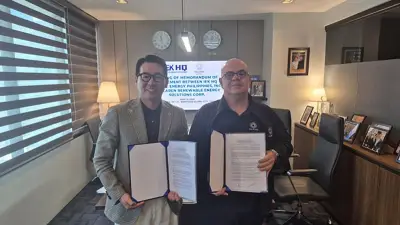
The mayor's stance is heavily influenced by previous failed initiatives. In 2022, a P5-billion WTE project in Barangay Guba, a joint venture with New Sky Energy Philippines, was approved by the City Council but faced fierce opposition from residents and environmentalists and was eventually withdrawn.
Archival also referenced the permanent closure of the Inayawan landfill by the Supreme Court via a Writ of Kalikasan. These experiences have reinforced his caution against short-term fixes that could lead to future legal and environmental disasters.
Diverging Views and Barangay-Level Struggles
Not all officials agree with the mayor's rejection of technology. City Councilor Joel Garganera argues that relying solely on waste segregation is insufficient for the city's daily output of 500 to 600 tons of garbage. He believes WTE and segregation should work together, noting that national agencies have issued guidelines and provincial support is growing.
Meanwhile, barangays are grappling with stopgap measures. Guadalupe Barangay Captain Apol Enriquez is considering shifting disposal to Naga City due to long queues at the temporary Asian Energy landfill in Consolacion. Tinago Barangay Captain Dennis Arciaga reported garbage piling up for five days post-collapse, warning of surging fuel costs if hauling distances increase. Officials also flagged weak compliance with waste segregation, noting the behavioral shift will take time.
Metro Cebu's Broader Waste Challenges
The crisis extends beyond Cebu City. In Mandaue City, councilors have raised alarms that their landfill, also operated by Prime Integrated Waste Solution Inc., may be nearing capacity. Lapu-Lapu City is relying on a temporary DENR-approved transfer station, with garbage collection no longer daily.
Currently, Cebu City is temporarily hauling garbage to Consolacion while the landfill operator establishes a transfer station. Mayor Archival is urging households and businesses to cut waste at the source, calling the situation serious but not yet a full-blown crisis. The fundamental question remains: will the city continue with landfills and segregation alone, or eventually turn to WTE? For now, the garbage problem continues to test the region's infrastructure and political will.