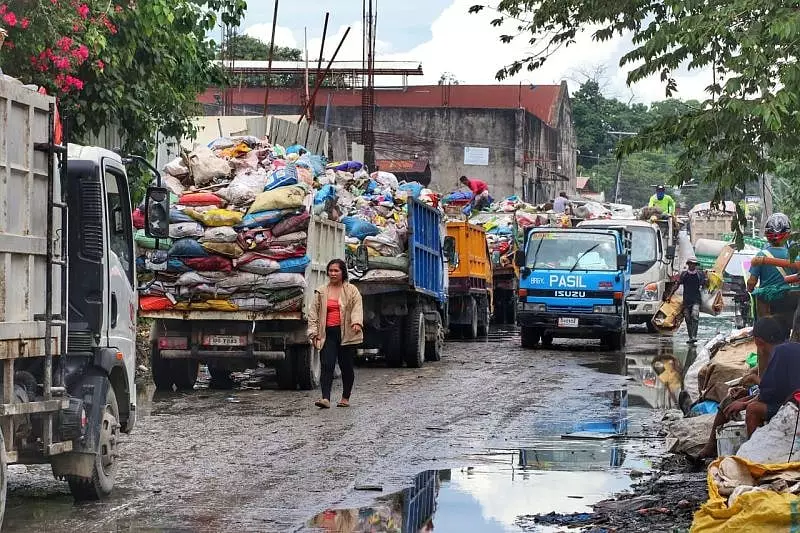
Cebu City's Urban Waste Management Crisis: A Deep Dive into Landfill Dependence and Systemic Failures
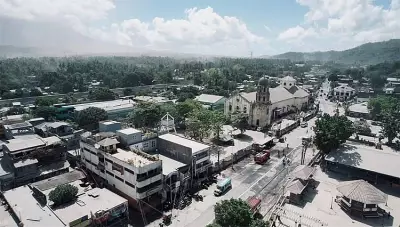
The challenge of managing urban waste in rapidly growing cities like Cebu City highlights a critical tension between development and infrastructure limits. For years, reliance on landfill disposal has served as a temporary fix, creating cycles of escalating costs and environmental hazards that are now impossible to ignore. This dynamic is unfolding starkly in Cebu City, where waste management strains are testing local governance and policy effectiveness, as revealed by recent state audits.
Systemic Reliance on Landfill Disposal: A Costly and Inefficient Approach
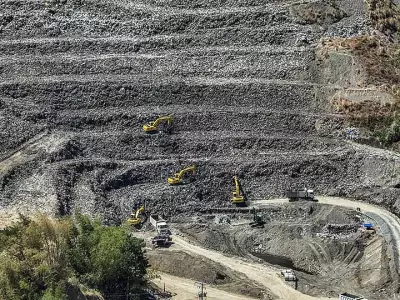
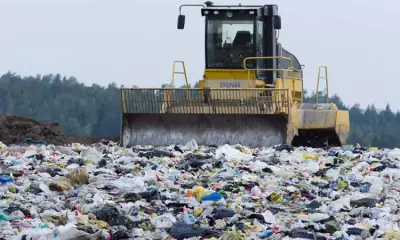
State auditors from the Commission on Audit (COA) have identified persistent weaknesses in Cebu City's solid waste management. According to the 2024 audit report, the City Government remains heavily dependent on landfilling, neglecting the waste reduction, recycling, and composting measures mandated by Republic Act 9003, the Ecological Solid Waste Management Act of 2000. Financial records show the City spent P407.77 million on garbage collection and disposal in 2024, driven by disposing 216,275.68 tons of waste at the Binaliw landfill, with private haulers collecting an additional 84,970.15 tons. The volume peaked in December 2024, rising 20.49 percent above the monthly average due to holiday waste generation.
Costs intensified when tipping fees increased from P700 to P1,100 per ton after Prime Integrated Waste Solutions Inc. (Piwsi) took over operations. Auditors noted these escalating expenses reflect a breakdown in enforcing waste segregation policies and limited processing capacity at the neighborhood level, underscoring a systemic failure to transition to sustainable practices.

Breakdown of Waste Segregation and Diversion: Policy vs. Reality
While Cebu City maintains a "No Segregation, No Collection" policy, the audit found it is no longer strictly implemented. Unsegregated waste continues to be collected, and in some cases, waste separated by residents is mixed back together in collection trucks, undermining community efforts. The infrastructure meant to divert waste from landfills is also failing. Facilities in Barangays Taptap and Basak Pardo, built at a cost of P3.47 million, were never used for composting and instead serve as storage areas. Currently, the City's only operational composting site in Barangay Kalunasan processes just two tons per day, far below the city's actual biodegradable output, highlighting a significant gap in diversion capabilities.
Environmental and Health Risks at Binaliw Landfill: A Growing Concern
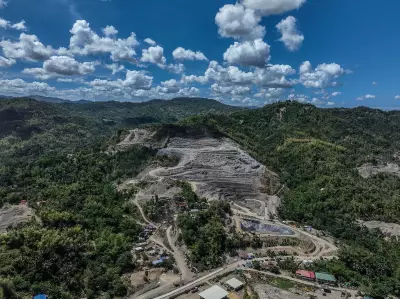
The conditions at the Piwsi-operated Binaliw landfill have drawn sharp criticism from local officials and state auditors. A joint inspection on September 5, 2024, by the City Environment and Natural Resources Office (Cenro) and the City Health Department uncovered several violations:
- Open dumping and inadequate drainage systems.
- Possible leachate leakage and absence of a gas vent system.
- Lack of stormwater controls and a persistent, "obnoxious" odor.
During a follow-up visit on January 29, 2025, auditors found the site lacked a perimeter fence and visible signage for its Environmental Compliance Certificate. COA warned these conditions pose risks of disease transmission, respiratory issues, and potential water contamination, threatening public health in surrounding communities.
Perspectives on Funding and Enforcement: Budget Constraints Hamper Solutions
Cebu City's ability to address these issues is hampered by significant budget constraints. Cenro reported that funding for waste diversion programs was cut by 92 percent, dropping from P2.5 million to just P200,000, severely limiting implementation at the barangay level. In response to audit findings, City management has proposed expanding composting capacity, activating idle recovery facilities, and establishing plastic processing micro-factories. However, COA emphasizes that the immediate priority must be strict enforcement of waste segregation and regular monitoring of landfill operations to meet public health standards, stressing the need for urgent action over long-term plans.

Future Oversight and Health Assessments: Pivoting to Sustainability
The focus now shifts to whether Cebu City can successfully pivot from landfill dependence to a functional diversion system. COA has recommended immediate coordination with the City Health Department to conduct formal health impact assessments for residents near the Binaliw site. As Piwsi begins to submit required environmental and odor management plans, the City Government faces the task of restoring the 92 percent budget cut to fund programs designed to prevent future landfill collapses. The coming months will determine if Cebu City can move beyond "obnoxious" odors toward a sustainable model of urban waste management, balancing growth with environmental stewardship.