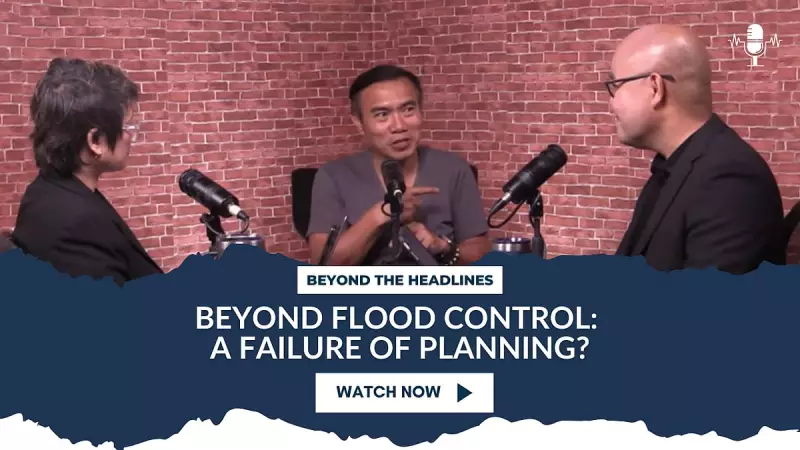
The recent devastating floods in Cebu have exposed what experts are calling a fundamental failure in urban planning that goes far beyond mere flood control infrastructure. While many immediately point to drainage systems and waterways, the real issue lies in a fragmented approach to city development that has prioritized short-term gains over long-term sustainability.
The Root Causes of Recurrent Flooding
Urban planning specialists and environmental advocates argue that the flooding crisis stems from multiple interconnected failures. The lack of integrated land use planning has allowed construction in natural floodplains and the continued degradation of watershed areas. Meanwhile, inadequate enforcement of environmental regulations has permitted developments that compromise natural drainage systems.
The situation is further exacerbated by the rapid urbanization of Cebu without corresponding investments in proper infrastructure. As more concrete covers natural landscapes, the ground's ability to absorb rainwater diminishes significantly. This creates a perfect storm where even moderate rainfall can lead to severe flooding in low-lying areas.

Beyond Infrastructure Solutions
Traditional approaches focusing solely on building higher flood walls or larger drainage pipes are proving insufficient. Experts emphasize that comprehensive watershed management must become a priority, including reforestation of upland areas and protection of remaining green spaces within the city.
The planning failures extend to transportation systems, housing policies, and economic development strategies that don't account for environmental carrying capacity. Climate change adaptation measures need to be integrated into all aspects of urban planning rather than being treated as separate concerns.
Call for Integrated Planning Approach
Environmental planners are urging local government units to adopt a more holistic approach to urban development. This includes strict enforcement of zoning regulations, preservation of natural waterways, and the implementation of green infrastructure solutions that work with nature rather than against it.
The recurring flood damage to properties and disruption to economic activities highlight the urgent need for change. Sustainable urban development practices that consider environmental limitations must become the foundation of all planning decisions moving forward.
As Cebu continues to grow and develop, the lessons from recent flooding events provide a critical opportunity to rethink urban planning strategies. The alternative is continuing to face the same problems with increasingly severe consequences for residents and businesses alike.