Cebu's "Killer Mountain" of Waste Collapses, Triggering Disposal Emergency
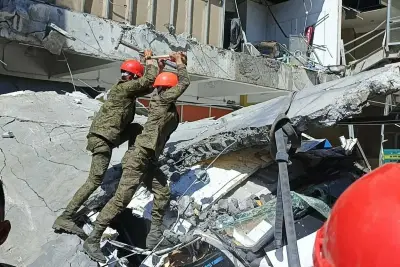
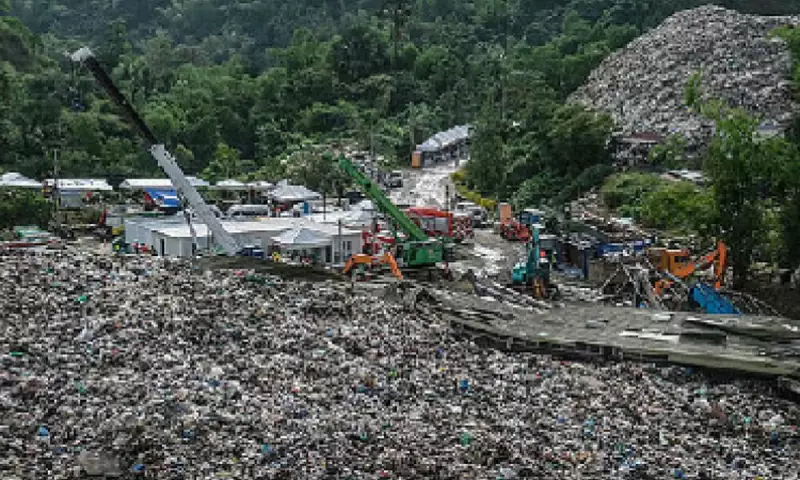
The catastrophic collapse of the towering Binaliw landfill in Cebu City on January 8, 2026, has plunged Metro Cebu into a severe solid waste management crisis. Described by local residents as a "very, very high" pile reaching an estimated 20 to 24 stories, the garbage mountain's failure has created urgent challenges for disposal and sparked intense political debates.
Search for New Dumping Sites Amid Local Resistance
Governor and mayors across Metro Cebu have convened with DENR Chief Raphael Lotilla to identify alternative waste disposal locations. This desperate search has revealed limited options, with proposed sites in Minglanilla and Consolacion towns facing outright rejection or strong disapproval from local executives. While two or three areas have expressed willingness to accept waste from other local government units, their considerable distance from Metro Cebu makes them impractical solutions.
The situation has become so critical that officials are considering reopening the Inaywan landfill in Pardo, Cebu City—a site previously ordered closed by the Supreme Court—pending judicial approval. Other distant locations under consideration include Aloguinsan, approximately 61.6 kilometers away, and Toledo City, about 47.1 kilometers from Cebu City.

Political Divisions Over Waste Solutions
The crisis has exposed significant disagreements among Cebu City's leadership regarding appropriate waste management strategies. Mayor Archival has firmly ruled out waste-to-energy (WTE) technology, expressing concerns about premature implementation without proper safety protocols. He cautioned against "jumping" into new technologies without adequate safeguards.
In contrast, Vice Mayor Tomas Osmeña advocates for incineration and has urged the National Government to reconsider its ban on waste burning. Osmeña emphasized the city's financial strain, noting that "hauling expenses" are escalating dramatically due to the considerable distances to potential disposal sites. Even Consolacion, merely 12.3 kilometers away, presents challenges with traffic congestion increasing costs, and the town may have already withdrawn from negotiations.
Investigative Approaches and Accountability Questions
While Mayor Archival has pledged full cooperation with DENR's investigation and welcomes Senate involvement, Vice Mayor Osmeña, as City Council presiding officer, has rejected calls for a local inquiry. Osmeña dismissed such proceedings as a "waste of time," asserting that the collapse resulted from technical issues falling under DENR's jurisdiction rather than requiring municipal investigation.
The incident raises complex legal questions about responsibility. Although technically not a landslide since "what collapsed was the pile of garbage, not land," the event may qualify as a force majeure under Philippine law. However, if human negligence contributed to the disaster, those responsible could face legal liability regardless of natural circumstances.
Daily Waste Volume Compounds the Crisis
Compounding the emergency is Cebu City's massive daily waste output—estimated between 600 to 1,000 tons collected from households, government buildings, and commercial establishments. This substantial volume creates what one observer described as an "embarrassing" public search for disposal locations, akin to finding a place for the city's daily waste output that no other municipality wants to accept.
The terminology itself reflects the complexity of the issue, with "garbage, trash, waste, and rubbish" often used interchangeably by the public despite subtle distinctions recognized by careful communicators. Ultimately, decisions about alternative dumping sites will involve top officials and the City Council, who must balance technical feasibility, environmental concerns, and political realities in resolving this pressing urban crisis.