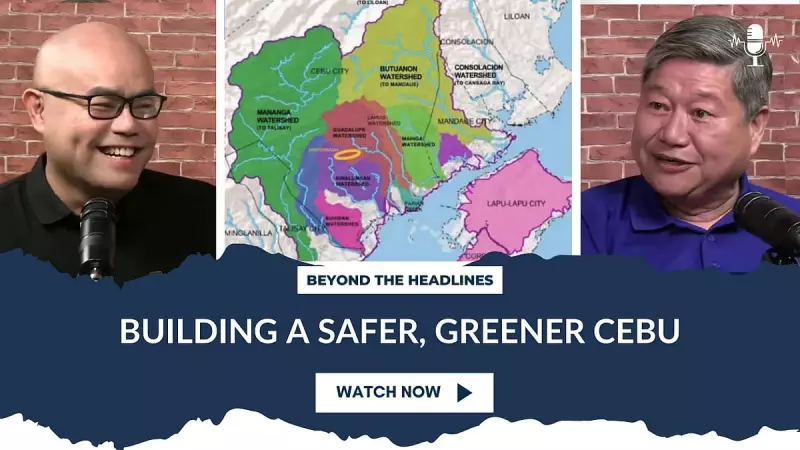
Architect and Environmental Planner Joseph Michael Espina, recently honored as the 2024 PRC Outstanding Professional of the Year in Environmental Planning, took center stage in a recent forum to dissect the most pressing urban challenges facing Metro Cebu.
Cebu's Core Urban Challenges
The discussion moved beyond the headlines to break down three critical issues currently shaping the city's future. The first and most visible problem is persistent flooding, a menace that disrupts lives and the economy with increasing regularity. This is compounded by the breakneck pace of rapid development, which often outpaces the implementation of necessary infrastructure and regulations. In response to these pressures, a growing citizen movement is actively pushing for the creation of a more walkable city, aiming to reclaim public space and improve the quality of urban life.
Deeper Systemic Issues and Proposed Reforms
Espina did not shy away from the complex, systemic problems fueling Cebu's urban woes. He brought to light the contentious matter of upland development issues, where unchecked construction threatens watersheds and exacerbates flooding downstream. A significant part of the conversation focused on the urgent need for reforms within the CCPL (Comprehensive Land Use Plan) permitting process. Streamlining this system is seen as vital for managing growth more sustainably and effectively.

To coordinate these complex efforts, Espina presented a compelling case for why Cebu needs an Office for Strategic Management. Such a body would be tasked with overseeing the integrated and long-term development of the metropolis, ensuring that various projects and policies align with a cohesive vision for a resilient future.
What Citizens Can Do
Beyond policy-level discussions, the forum emphasized that building a safer, greener, and more livable Cebu is a shared responsibility. Espina outlined practical steps ordinary citizens can take to contribute. These include responsible waste disposal to prevent clogged waterways, supporting local initiatives for parks and pedestrian pathways, and actively participating in public consultations regarding land use and development projects. Every small action, when multiplied across the community, becomes a powerful force for positive change.