Cebu City's Landfill Crisis Deepens as Ownership Questions Halt Rehabilitation
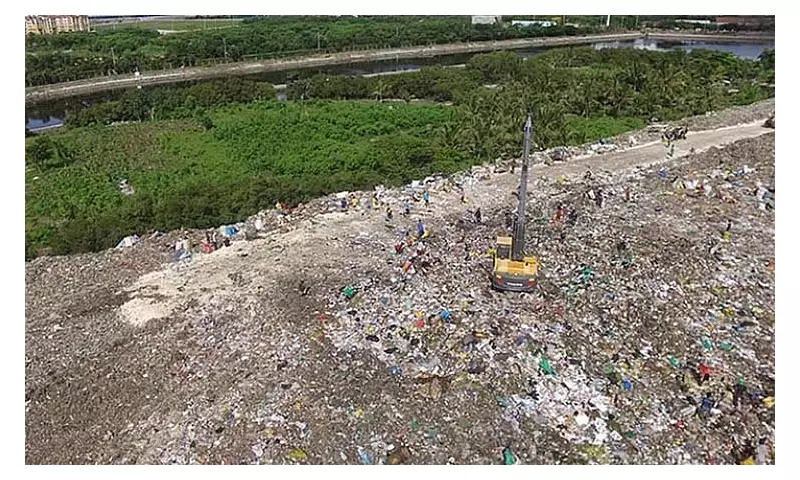
The Cebu City Government's plans to rehabilitate the controversial Inayawan landfill have hit a major roadblock as questions emerge about the property's true ownership. What was initially seen as a straightforward environmental cleanup project has transformed into a complex legal puzzle that threatens to delay crucial public health measures.
The Ownership Controversy Unfolds
On Sunday, November 23, 2025, Mayor Nestor Archival addressed growing concerns about the dormant landfill while revealing the unexpected complication. The city had been operating under the assumption that the landfill site was municipal property, but recent information suggests the land might actually be privately owned.
"We were under the impression that the landfill belonged to us, where we planned to develop it," Archival explained. "But then we received information that the land is no longer ours—it's now a private lot." This revelation has forced the city to pause its rehabilitation efforts while the Registry of Deeds and the Department of Environment and Natural Resources (DENR) verify the property's legal status.

Conflicting Perspectives on Health Risks
The ownership dispute comes amid starkly different assessments of the site's immediate dangers. Councilor Joel Garganera, chairman of the committee on environment and natural resources, has been vocal about what he describes as a "ticking time bomb" threatening nearby residential areas.
Garganera warns that decomposing waste and hazardous chemicals at the unmanaged site pose significant risks to public safety and the environment. He advocates for sustainable alternatives like waste-to-energy approaches, arguing that traditional landfills are no longer viable solutions for urban waste management.
Mayor Archival, while acknowledging the situation requires attention, has taken a more measured approach. He insists that any claims of an imminent health crisis must be "backed with assessments from the DENR and relevant agencies" and has worked to de-escalate what he considers unnecessary public alarm.
Broader Implications for Urban Waste Management
The Inayawan standoff reflects larger systemic problems facing rapidly growing Philippine cities. Cebu City alone generates over 300 tons of garbage daily, creating immense pressure on waste management infrastructure that often relies on temporary measures and private facilities.
The current situation highlights two critical issues plaguing urban development: legal land-use ambiguity and infrastructure strain. The failure to safely close and repurpose the Inayawan site, despite a 2017 Supreme Court order, demonstrates how governance challenges can undermine environmental mandates.
Compounding these problems are infrastructure vulnerabilities, such as the structural defects identified in the Bacayan Bridge—a crucial route for garbage trucks. Mayor Archival admitted that relying on alternative access routes via the San Jose-Pulangbato corridor represents only a temporary solution.
Path Forward and Future Plans
Despite the current impasse, rehabilitation planning continues. The proposed cleanup would involve excavation, removal, and proper disposal of solid waste and toxic materials, including plastics and batteries. The city envisions converting the former dumpsite into a Material Recovery Facility once ownership issues are resolved.
Looking ahead, Mayor Archival has announced a waste-management summit scheduled for early December to gather input from experts, private sector representatives, and civil society groups. The city is also exploring composting technologies to manage biodegradable waste, with plans to introduce up to 300 composting facilities next year to handle the daily output of biodegradable material.
The resolution now hinges on two critical steps: legal verification of land ownership by the Registry of Deeds and DENR, and the formulation of a comprehensive rehabilitation plan by the Solid Waste Management Committee. The upcoming summit will be crucial in determining the best course of action for addressing Cebu City's persistent waste management challenges.