A groundbreaking study has uncovered a complex chemical relationship between the ocean and the skies over Metro Manila, revealing how sea salt actively contributes to the megacity's pollution. The research, conducted during the unique conditions of the Covid-19 lockdowns, provides new insights into the intricate dynamics of urban air quality.
The Pandemic Provided a Unique Laboratory
Scientists from the Ateneo de Manila University-Manila Observatory and the University of Arizona seized a rare opportunity presented by the global pandemic. They investigated how the natural components of sea salt—sodium and chloride—interact with the heavily polluted atmosphere of the Philippine capital. The worldwide shutdown of human activity served as an unprecedented real-world experiment, allowing researchers to measure air composition with drastically reduced emissions from vehicles and industry.
The team's methodology involved gathering detailed aerosol samples over continuous 48-hour intervals. They examined the chemical makeup of the city's air during both day and night, comparing data from before and after the lockdown period was implemented. This rigorous approach allowed for a clear before-and-after snapshot of the atmosphere's behavior.

A Surprising Chemical Reaction, Not a Simple Mix
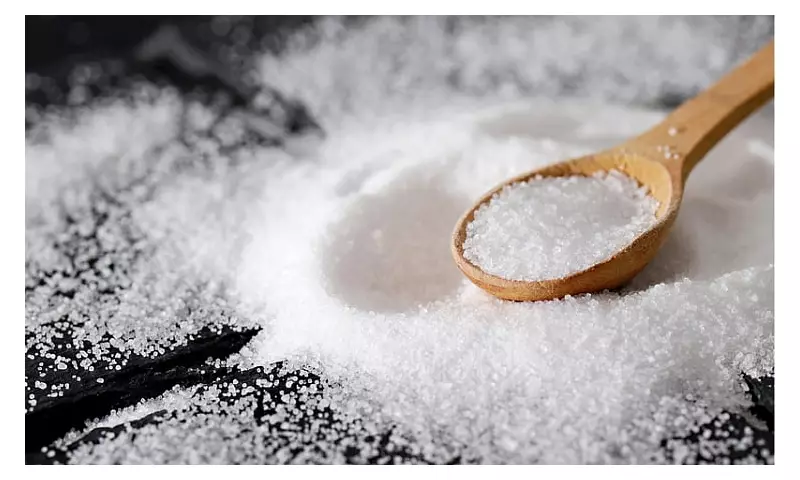
The core finding challenges a simpler view of pollution. The research demonstrates that sea salt particles and urban pollutants do not merely coexist; they undergo direct chemical reactions. Pollutants transform the sea salt aerosols, which can lead to negative effects on the air residents breathe.
One key process identified is "chloride depletion." Under normal, highly polluted conditions, the acidity of Metro Manila's air—driven by vehicle and industrial emissions—strips chloride away from sea salt particles. However, the post-lockdown data revealed a counterintuitive trend: concentrations of chloride and sodium actually increased.
"When emissions from vehicles and industries dropped, the air became less acidic and therefore less able to deplete airborne chloride," the study explains. With reduced pollution, more of the naturally occurring sea salt components persisted in the atmosphere, highlighting the potent effect human activity has on even natural aerosols.
Implications for Health, Climate, and Urban Policy
The study's conclusions extend beyond atmospheric chemistry, touching on critical areas of public welfare. By illuminating the complicated dynamics of urban pollution, the research offers valuable insights for human health, climate science, and evidence-based policymaking.
The researchers, including lead authors Grace Betito and Armin Sorooshian, recommend a path forward. They call for more detailed studies that simultaneously measure gas emissions and local weather conditions. Such integrated data is crucial for designing more effective government interventions to improve air quality in coastal megacities like Metro Manila.
The study, titled "Day-Night Shifts in Water-Soluble Ions of Size-Resolved Aerosols before and after the Covid-19 Lockdown in a Coastal Megacity: Metro Manila, Philippines," was published in the journal ACS Earth and Space Chemistry in October 2025. The collaborative work underscores the importance of understanding our environment's hidden chemical conversations to safeguard the future of urban centers.