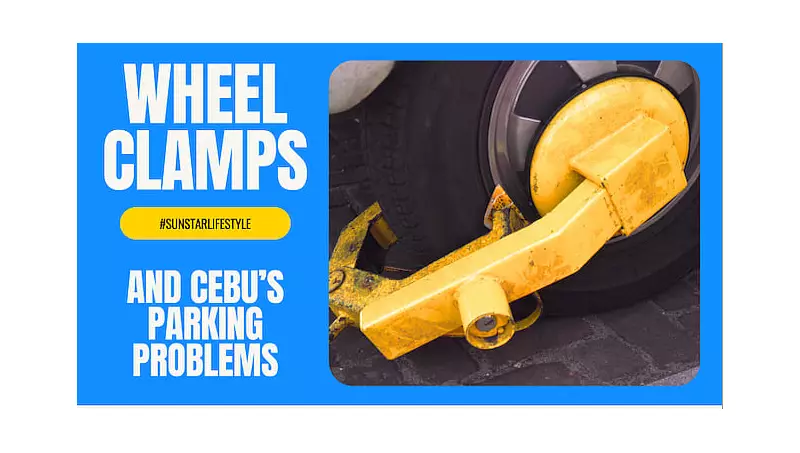
In the bustling streets of Metro Cebu, drivers have come to accept an unwelcome but familiar sight: the bright yellow wheel clamp. This physical enforcement tool has become a normalized, if frustrating, part of the urban driving experience, symbolizing a city grappling with the pressures of its own rapid expansion.
The Global Journey of the Wheel Clamp
The story of the wheel clamp began in the 1960s. Cities worldwide were searching for a method to enforce parking rules that was less costly and disruptive than towing vehicles away. Towing was expensive, slow, and often created more logistical problems than it solved. Immobilizing a car right where it was parked emerged as the simpler, more practical alternative.
By the 1980s and 1990s, these metal devices had proliferated across many global urban centers. They found particular favor in cities characterized by narrow roads and severely limited parking space. Essentially, clamps became a common tool in fast-growing areas where the number of vehicles was outpacing the capacity of both road networks and enforcement agencies.

Why Cebu Embraced This Enforcement Tool
Cebu's infrastructure presents a classic case of a city outgrowing its original design. Many of its roads were laid out decades before private car ownership became commonplace for Filipino families. As the region urbanized and average incomes rose, the explosion in vehicle numbers far exceeded the development of new parking infrastructure.
The data underscores this national trend. According to the Land Transportation Office (LTO), the Philippines had over 5.8 million registered motor vehicles as of 2022. While this is a nationwide figure, vehicle ownership is heavily concentrated in major urban centers like Metro Cebu, where space is at a premium.
For local authorities, wheel clamps offered a direct solution. They were cheaper than operating tow trucks, required less manpower, and could be deployed swiftly in critical areas like busy commercial districts. Their primary purpose was to clear obstructions quickly—whether they were blocking traffic flow or, more critically, access for emergency vehicles.
Modern Challenges of an Analog Solution
It is important to note that the original intent of wheel clamps was not to shame or embarrass drivers. The goal was to secure immediate compliance—the driver would pay the fine on the spot, the clamp would be removed, and the vehicle could be moved legally, all without the need for a tow truck. This theoretically reduced congestion caused by recovery vehicles and avoided complex disputes over impounded cars.
For many years, this system functioned adequately enough to remain in place. However, as cities around the world modernized, enforcement expectations evolved. Many urban areas now rely on digital ticketing systems, electronic payments, and administrative penalties linked directly to vehicle registration. Enforcement became less about physical confrontation and more about efficient administration.
In contrast, the wheel clamp necessitates a direct, and often tense, interaction between traffic enforcers and motorists. Furthermore, a clamped vehicle cannot be moved at all, which can sometimes exacerbate congestion in a tight spot instead of alleviating it.
Are Clamps Still Effective Today?
Globally, the use of physical wheel clamps has shifted. They are now often reserved for repeat offenders or for use on private property. Day-to-day public parking enforcement increasingly favors non-immobilizing methods like digital citations.
This is not to say clamps are entirely useless. They served a vital purpose at a specific time in urban development, when cities had fewer technological tools and a smaller volume of cars to manage. In today's context, however, they can feel like a holdover from a different era—functional, but increasingly mismatched with how modern cities aim to manage parking and overall mobility.
In Cebu, the persistent presence of the wheel clamp speaks volumes. It says less about driver discipline and more about a dynamic city that is still in the process of catching up with the breakneck speed of its own growth, using the tools of yesterday to manage the problems of today.