I have a vivid memory from my youth: the exhilarating feeling of smelling the rain in the air and rushing to my roof deck to run freely in the downpour. The rain was a blessing, a connection to nature that brought an unbridled sense of freedom. Those were simpler times in the Philippines. We drank tap water, had leisurely lunch breaks from school without worrying about traffic, and lived comfortably without air-conditioning. Our surroundings were lush with trees.
The Shift from Joy to Apprehension
Today, that childhood joy has been replaced by a deep-seated nervousness. When the skies darken over our cities, my first instinct is to check my phone for weather updates, anxious about an extreme weather disturbance I might have missed. Plans are canceled immediately; the risk is simply too great. The rain I once loved, I now fear.
This fear is rooted in the dire and often deadly consequences of modern torrential rains. Being on the road during a downpour means battling dangerously low visibility and horrendous traffic that materializes in minutes. The primary terror, however, is flooding. The nightmare scenario is being trapped in a mall, oblivious to the chaos outside, only to find your vehicle submerged or floating upon exit.

Understanding the Causes of Widespread Flooding
This problem is not unique to us. I recall learning about Bangladesh's vulnerability to floods in school, a country where 80% of the land is a low-lying floodplain at the confluence of the Ganges, Brahmaputra, and Meghna rivers. But why has severe flooding become the norm in our own cities?
The reasons are a dangerous combination of man-made and environmental factors. We are facing stronger typhoons fueled by global warming, which bring unprecedented rainfall. This is compounded by rapid urbanization, deforestation, and clogged drainage systems. Furthermore, ineffective or non-existent flood-control measures, often hampered by corruption, leave our communities exposed and vulnerable.
The Broader Impact and The Call for Action
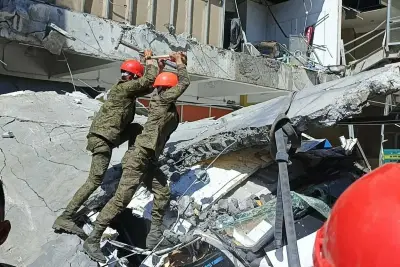
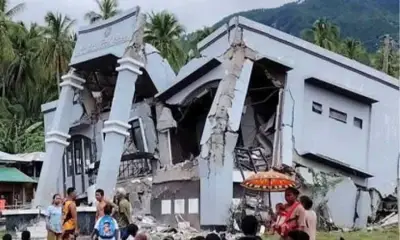
The disruption caused by these rains extends far beyond personal inconvenience. School and office days are interrupted, businesses suffer, and essential services are curtailed. Most tragically, floods destroy property and claim lives.
It is clear that our flood control infrastructure must be re-evaluated. We cannot accept systems that fail because they were built only for 'normal' rainfall. Floods are becoming extreme events, and our defenses must be built to withstand them. We must stop the unchecked stripping of our mountains and the relentless replacement of natural ground with concrete and asphalt.
My sadness now when it rains is not for myself, but for the countless others who may never know the simple, pure joy that the rains once gave me. The call for resilient and effective flood control in the Philippines has never been more urgent.